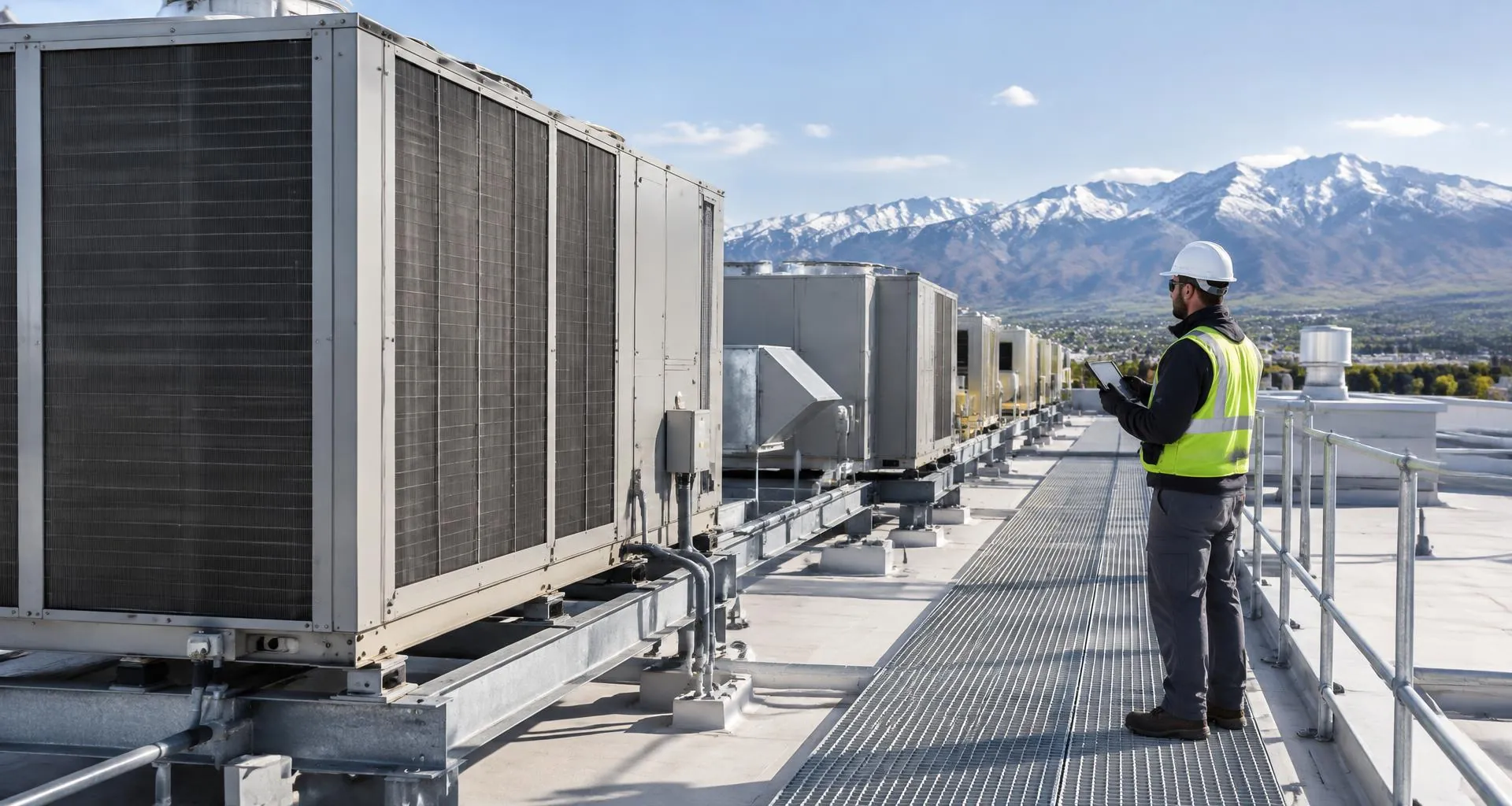
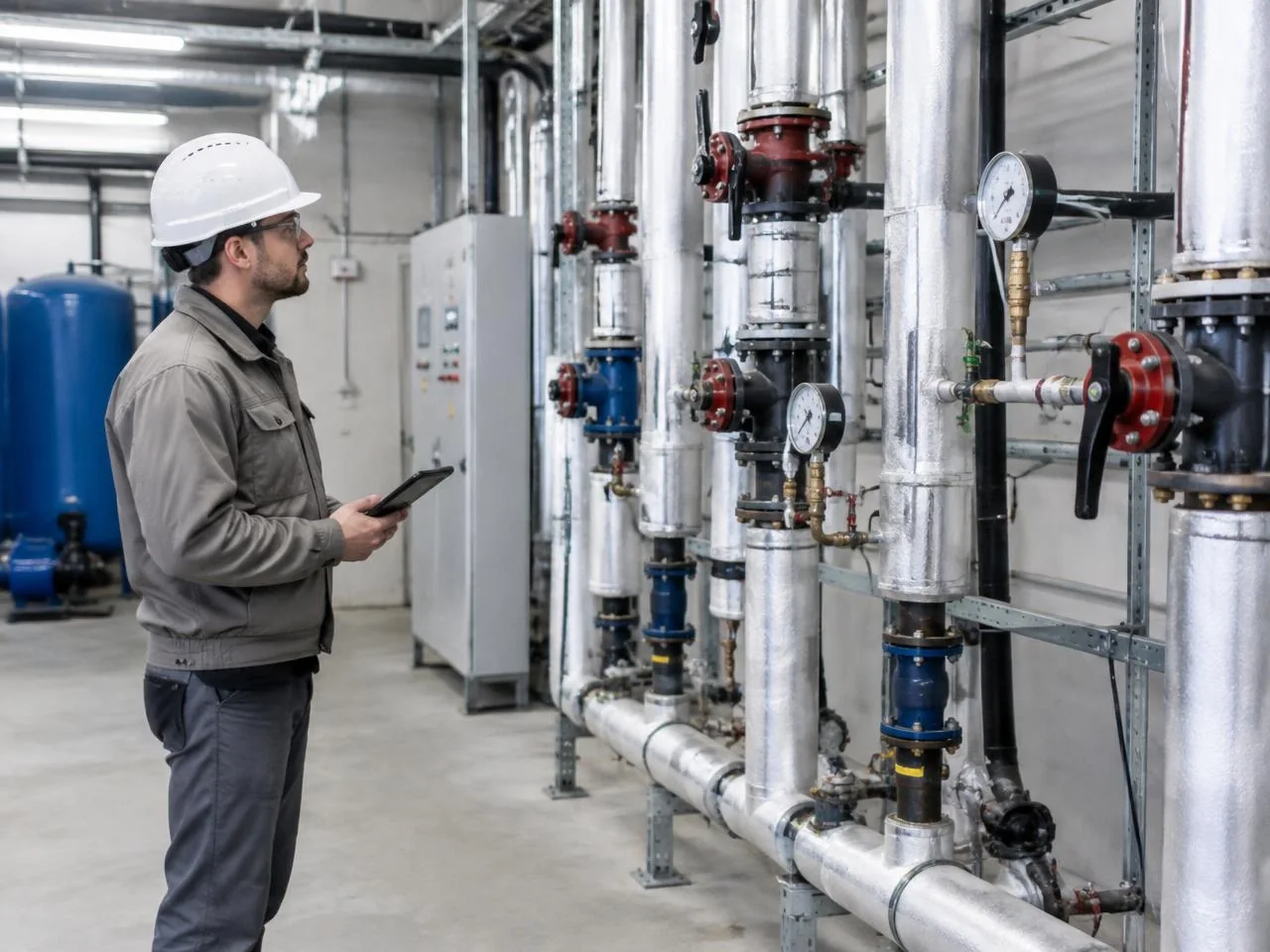
Government facility maintenance from Sahara Palms Inc. connects building repairs, preventive maintenance, and electrical and HVAC upkeep. Commercial facility managers can also discuss equipment maintenance and long-term building priorities.
Facility maintenance connects the immediate needs of a building with its long-term performance. A reported fault may require corrective work, while recurring issues can point toward a planned improvement. Government facility maintenance and commercial building support from Sahara Palms combine facility repairs, infrastructure upkeep, building systems coordination, and maintenance planning around operating priorities.
An effective maintenance discussion starts with what the facility needs to keep doing. Equipment information, condition records, repair history, occupant concerns, and known constraints help establish priorities. The agreed scope should explain which tasks are included, how work is coordinated, and how findings are communicated. Maintenance planning for offices, warehouses, administrative buildings, and institutional facilities should prioritize safety-critical findings, equipment access, and documented completion checks. Urgent service availability requires direct confirmation.
Core capabilities
Facility Maintenance capabilities
01 /
Preventive Facility Maintenance
Organize planned upkeep around the condition of the building, equipment requirements, and operating priorities. A preventive scope should define tasks, review frequency, access needs, and the process for recording concerns that require additional attention.
02 /
Building Repairs
Coordinate corrective work for identified building issues within an agreed scope. Understanding symptoms, affected areas, and operational restrictions helps establish repair priorities. Site review may be needed before the extent of the work can be confirmed.
03 /
Electrical Maintenance Coordination
Connect electrical upkeep and repair planning with facility operations. Equipment condition, reported issues, work windows, and system interfaces help determine the review. Planned interruptions and any additional upgrades require separate scope decisions.
04 /
HVAC Maintenance Coordination
Review heating, cooling, and ventilation maintenance needs alongside equipment records and operating requirements. Findings can inform repairs, replacement planning, or improvements, with the included tasks defined for the actual systems serving the facility.
05 /
Infrastructure Upkeep
Consider building components and related systems as connected parts of the facility. Access, deterioration, recurring faults, and the effect on occupants can help establish priorities for upkeep, corrective work, and future construction coordination.
06 /
Facility Improvement Planning
Use maintenance observations to discuss longer-term improvements and renewal needs. A recurring repair may justify reviewing a larger change, but recommendations should be based on conditions, facility objectives, and the approved investment scope.
Federal / Military / Public sector
Facility Support Within Government Operating Environments
Maintenance in government and military facilities may involve site access requirements, specified documentation, work boundaries, and coordination with facility managers. Even a limited repair can affect adjacent operations. The plan should explain when work can occur, who needs notification, and which systems or spaces may be affected.
Sahara Palms’ published experience includes Hill Air Force Base and government facilities. For federal facilities, maintenance planning should identify required service records, acceptance criteria, and approval responsibilities for work beyond the initial task. Engagements remain subject to project requirements, access authorization, capacity, and an agreed scope.
Preventive Versus Corrective: Understand The Difference
Preventive Work
Preventive maintenance organizes planned tasks and condition review before a specific failure drives the response. It can help identify concerns earlier, but task selection and frequency should reflect the equipment, building conditions, and operational priorities.
Corrective Work
Corrective maintenance addresses an identified fault or deficiency. The first step is to understand the issue and its effect on the facility. Repairs may reveal additional conditions, so scope and next actions should be reviewed as information becomes available.
Cross-System Planning
Coordinate maintenance with electrical, HVAC, renovation, and construction requirements. Shared access, work windows, and equipment interfaces can affect several tasks at once. A consolidated view helps facility managers weigh immediate repairs against longer-term improvements.
Project delivery
Assess → Plan → Maintain → Improve
01
Assess
Review the building, equipment information, reported concerns, and repair history.
02
Plan
Agree on priorities, tasks, access, scheduling, and communication responsibilities.
03
Maintain
Coordinate approved upkeep and repairs around the facility’s operating needs.
04
Improve
Use findings to discuss renewal needs and targeted facility improvements.
Why Sahara Palms
Maintenance Informed By Broader Construction Capabilities
Sahara Palms brings facility maintenance into the same conversation as electrical, mechanical, renovation, and general construction services. When an issue extends beyond routine upkeep, those connections support a more complete scope discussion. Clear priorities and agreed responsibilities provide a practical foundation for ongoing building performance. Condition records and completed-work reviews help distinguish routine upkeep from repairs requiring further investigation or a separate improvement scope.
Based in Layton, Utah. Project support nationwide.
From Layton in Davis County, Sahara Palms reviews facility maintenance needs across Northern Utah and the Wasatch Front. Government and commercial support nationwide is subject to project requirements and availability. Facility location, equipment inventory, service frequency, and access arrangements determine whether a practical maintenance scope can be established.
1564 West Hill Field Road, Ste. 4 Layton, Utah 84041(801) 332-9434
Project questions
Questions about facility maintenance
It can include preventive upkeep, building repairs, electrical and HVAC coordination, infrastructure upkeep, and improvement planning. The contract defines the included tasks and responsibilities.
Preventive work is planned upkeep and condition review. Corrective repair addresses an identified issue. Both can contribute to a facility plan, but they serve different immediate needs.
Yes. Equipment information, work windows, access, and system interfaces can be reviewed together. Specific tasks and any required interruptions are established within the agreed scope.
Prioritize deficiencies by safety implications, operational impact, and the risk of further deterioration. Record the affected asset, symptoms, prior repairs, and interim controls so facility managers can distinguish urgent corrective work from planned renewal.
Yes. Recurring issues or changed operational needs may support a broader improvement discussion. Any renovation or replacement work requires a separate review and approved scope.
Frequency depends on equipment requirements, condition, use, applicable recommendations, and operating priorities. A site-specific plan is more useful than a single interval for every building.
Completed work is reviewed against the agreed task and acceptance criteria. Records should identify the asset, work performed, observed condition, required checks, and unresolved concerns so facility managers can plan follow-up without treating an open issue as closed.
Share equipment lists, available drawings, service history, condition reports, recurring concerns, facility location, and access restrictions. These help identify priorities for an initial scope discussion.
Let’s discuss your project
Discuss Facility Maintenance Needs
Share your building priorities and recurring concerns. Discuss a defined maintenance scope and the improvements that may support longer-term facility performance.