When Government Facilities Require HVAC Replacement
Replacement is usually considered when equipment fails repeatedly, parts become hard to find, comfort or ventilation complaints persist, or operating and maintenance costs rise. Changes in how a space is used can also make existing equipment unsuitable.
Age alone is not a complete reason. Some equipment runs well beyond typical service life with good maintenance, while some fails early. Maintenance records help separate a repair need from a replacement need.
Assessing Existing Mechanical Systems
A building system assessment documents equipment types, capacities, condition, controls, distribution, and known problems. It reviews drawings, maintenance history, and field observations, and may include testing and balancing data.
The assessment also looks at what surrounds the equipment: structural supports, electrical service, access routes, roof conditions, and space for replacement units. These factors often determine what is practical.
Understanding Building Heating & Cooling Requirements
Heating and cooling requirements depend on occupancy, use, building envelope, internal loads, and climate. A space converted from storage to offices, for example, has very different needs.
Ventilation requirements are part of the design basis and are set by the codes and criteria the project adopts. The mechanical engineer of record determines loads and ventilation rates for the replacement design.
Equipment Selection Considerations
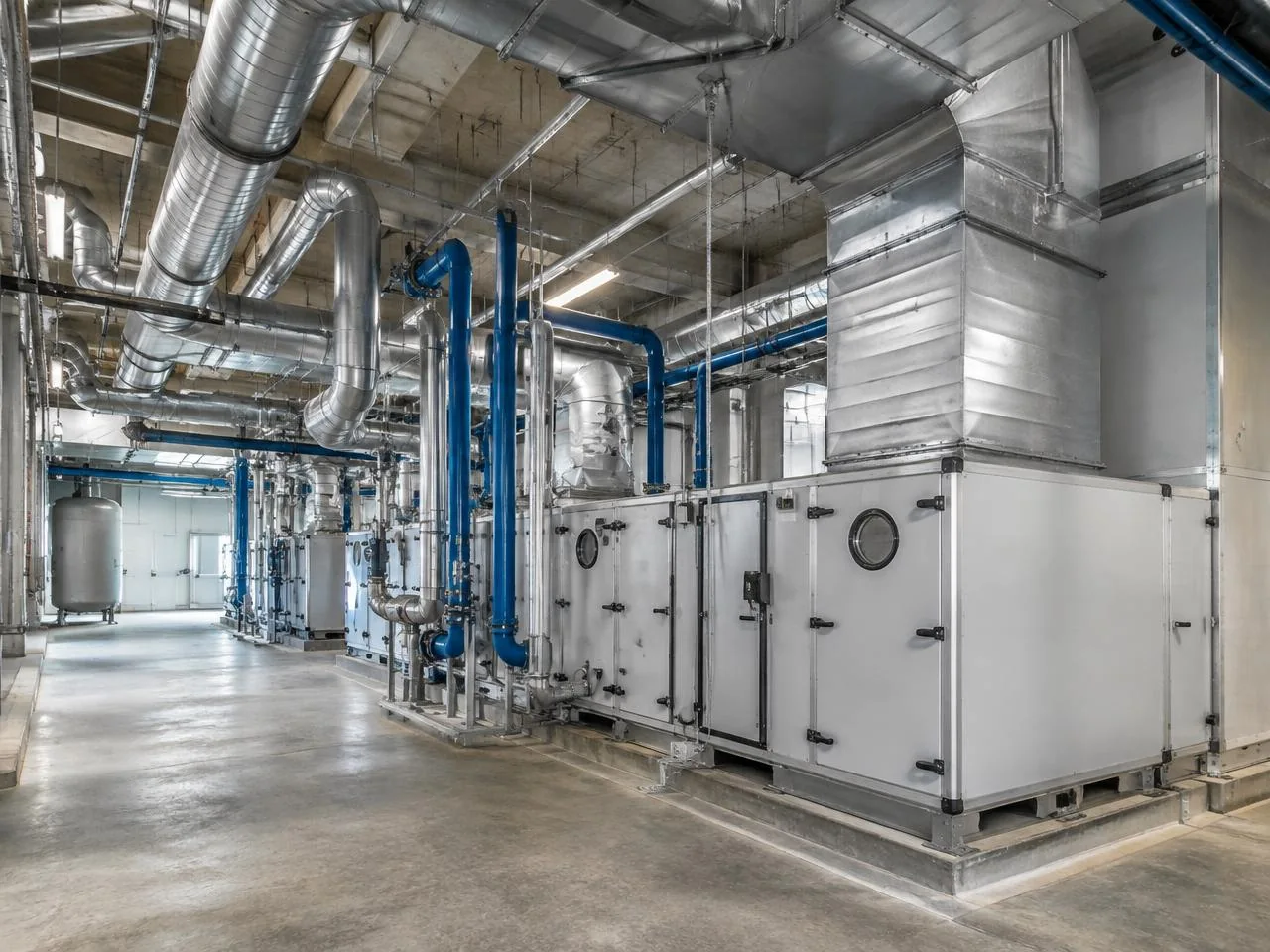
Selection considers capacity, efficiency, reliability, maintainability, controls compatibility, physical size, weight, and lead time. Equipment that fits through existing openings and on existing supports can simplify the project.
Involve facility maintenance staff in selection discussions. They know which equipment has been reliable and what access they need for service. Final selection rests with the designer and the contract specifications.
Mechanical System Modernization
Modernization can go beyond one-for-one replacement: upgrading controls, adding variable speed drives, improving zoning, or replacing distribution. Each change affects cost, schedule, and the trades involved.
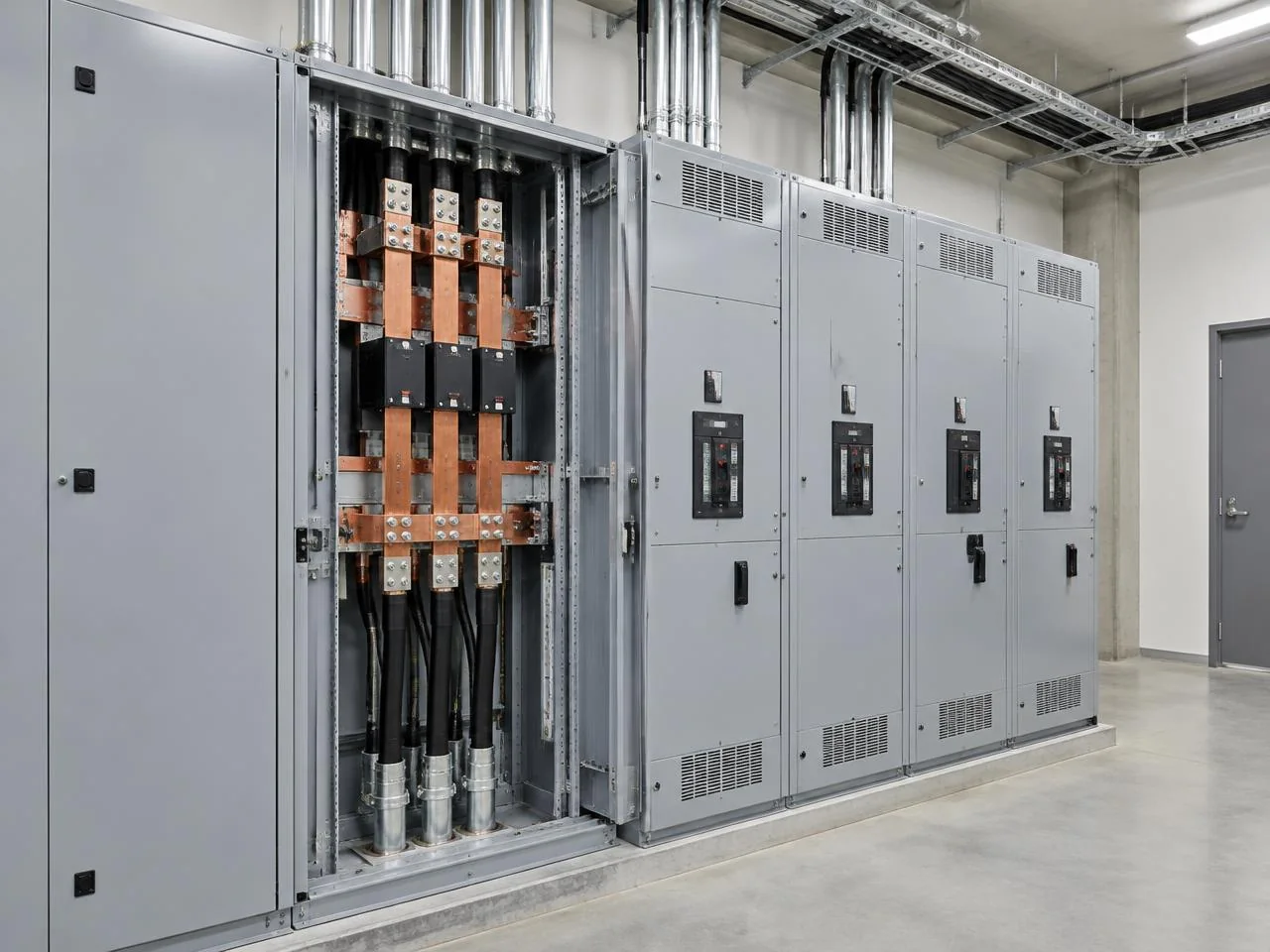
Modernization often has electrical implications, such as new circuits or changed loads. Coordinate mechanical and electrical construction early so both scopes agree. The electrical upgrades guide discusses that side of the work.
Ventilation & Indoor Environmental Considerations
Ventilation supports indoor air quality, and filtration, humidity, and pressure relationships matter in many spaces. Specialized areas such as laboratories, medical spaces, or secure rooms may have particular requirements.
During replacement, plan how ventilation will be maintained or temporarily provided in occupied areas. Coordinate dust control and air path protection so construction does not affect adjacent spaces.
Energy Efficiency Considerations
Replacement is an opportunity to improve efficiency. The Department of Energy Federal Energy Management Program provides guidance to federal agencies on energy and water management, including operations and maintenance practices.
Efficiency outcomes depend on design, installation, controls, and ongoing operation. Projected savings should come from the design professional or energy analysis for the specific building, not from general claims.
Coordinating HVAC Work In Occupied Facilities
Most government HVAC replacements take place in occupied buildings. Plan shutdowns around weather and occupancy, provide temporary heating or cooling where required, and confirm notice periods with the facility.
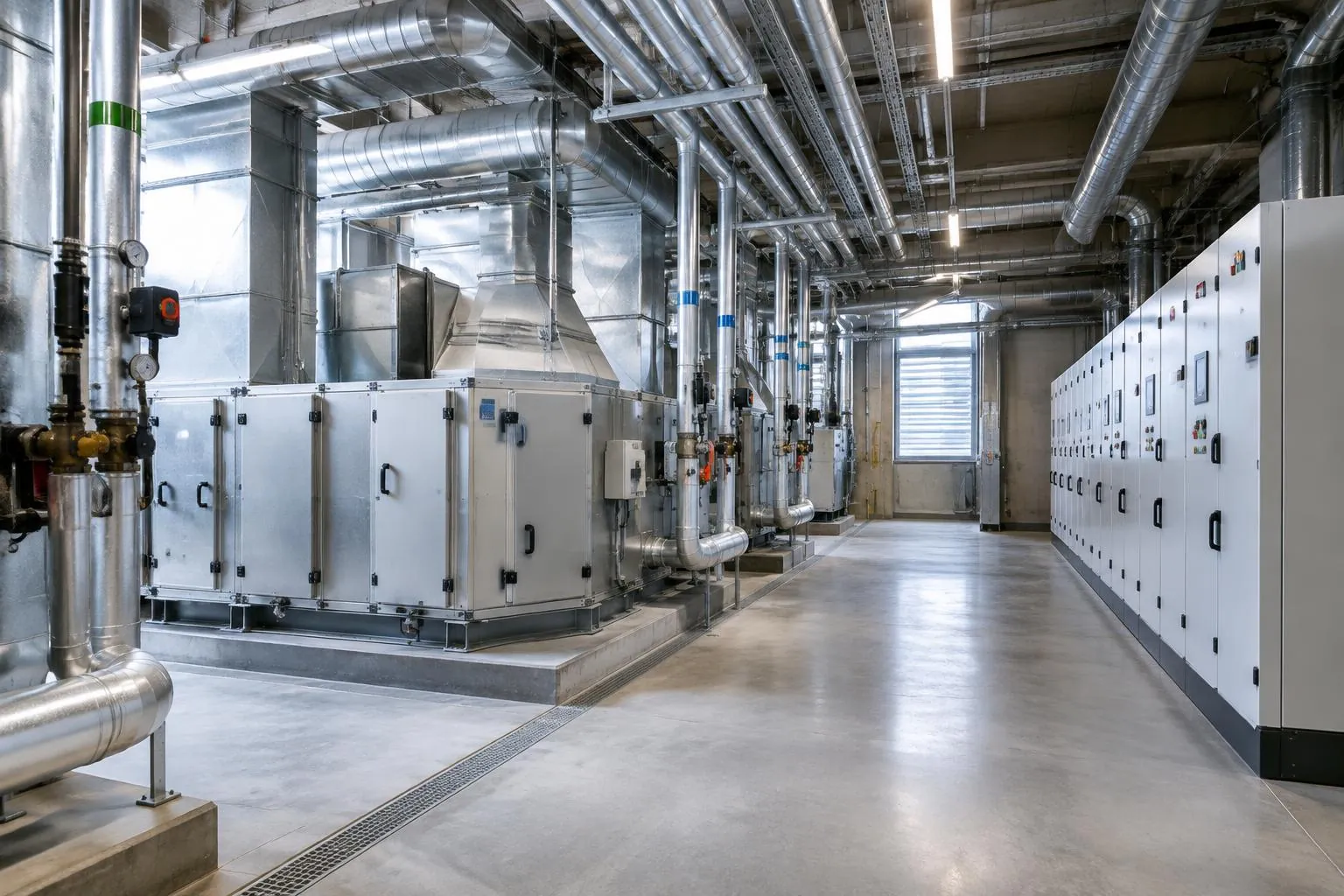
Crane lifts, roof work, and equipment deliveries need site coordination and safety planning. On military and federal sites, access and security procedures add lead time. HVAC and mechanical construction describes how Sahara Palms coordinates this work.
Testing, Commissioning & Project Turnover
New systems are started up, tested, and balanced as required by the specifications. Where commissioning is required, it verifies that systems operate as intended across their operating modes.
Turnover includes operating information, maintenance requirements, warranties, and training. The construction closeout guide and preventive maintenance guide explain how these records support long-term operation.
HVAC Replacement Planning Checklist
Use this list to frame early planning with facility staff and design professionals. Facility maintenance support can help keep replaced systems operating as designed.
- Replacement drivers documented with maintenance records
- Existing systems, supports, and access assessed
- Current loads and ventilation needs confirmed by the designer
- Equipment selection reviewed with maintenance staff
- Electrical impacts coordinated
- Temporary heating, cooling, or ventilation planned
- Lifts, deliveries, and site access scheduled
- Testing, balancing, and commissioning requirements reviewed
- Turnover documentation and training planned
Frequently Asked Questions
References & further reading
WBDG: Mechanical EngineeringWBDG: Functional and Operational Design ObjectiveDOE Federal Energy Management ProgramDOE FEMP: Operations and Maintenance Best Practices GuideWBDG: Building CommissioningReferences are background material. Current solicitation documents, agency requirements, equipment guidance, and qualified professional advice govern the actual project.