
What Is Construction Closeout?
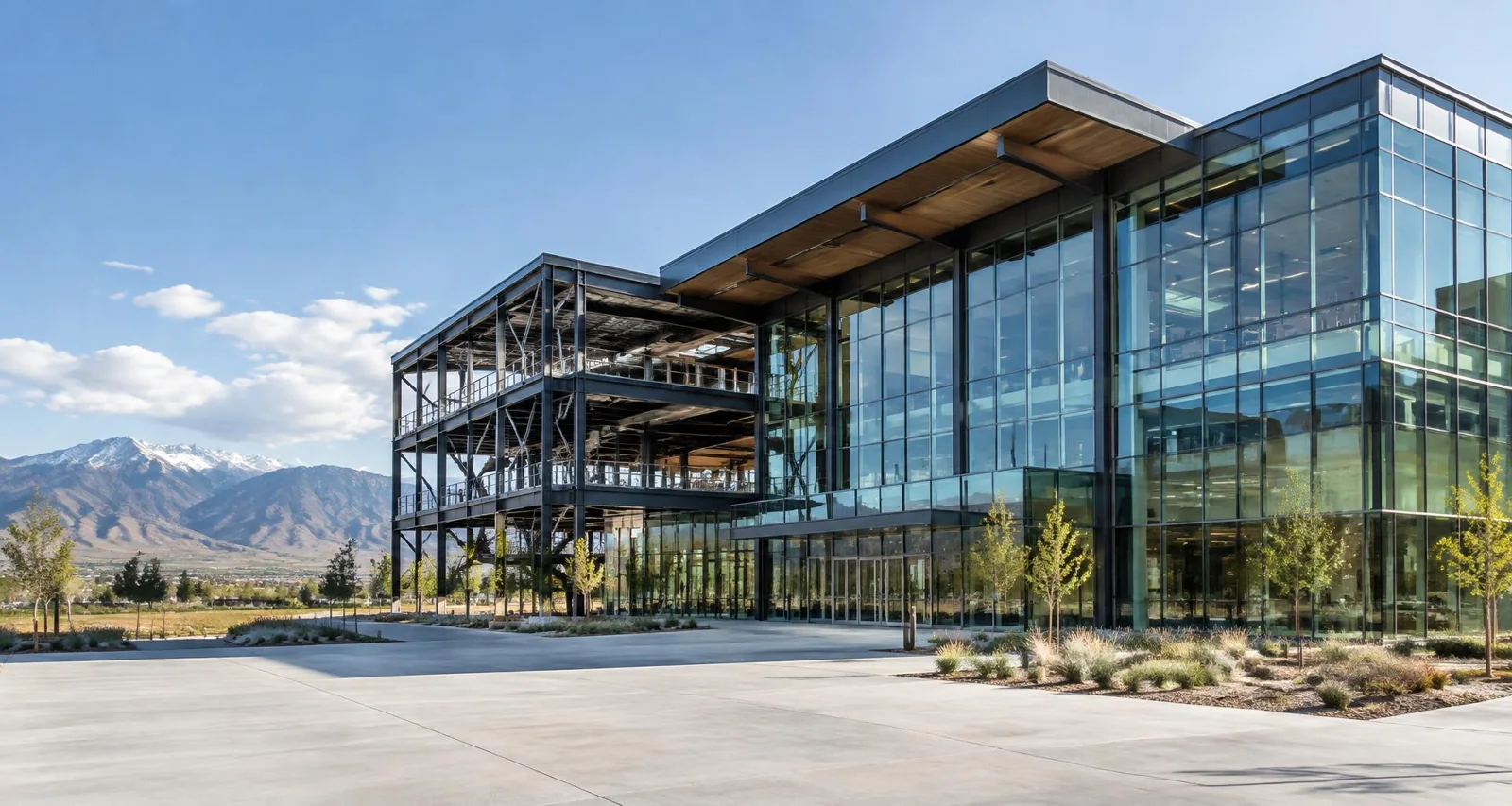
Construction closeout begins as work approaches completion and ends when the owner accepts the work and the contractor has delivered required documentation. It connects the last field activities with the information the facility team needs to operate and maintain the building.
Closeout is easier when planned from the start. Records gathered throughout the project, such as approved submittals, test reports, and as-built markups, become the closeout package. Waiting until the end to assemble them is a common cause of delay.
Reviewing Contract Closeout Requirements
Read the specification sections on closeout and the related contract clauses early. They define what documents are required, in what format, how many copies, and when. Requirements differ between agencies and between projects of the same agency.
Make a closeout register that lists each required deliverable, the responsible party, and its status. Review it regularly with subcontractors. Do not assume that a list from a previous project applies.
Final Inspections & Punch Lists
Final inspections confirm that the work conforms to the contract. Under clauses such as FAR 52.246-12, the government has the right to inspect work and to require correction of defective work. Inspections may involve agency representatives, designers, and authorities having jurisdiction.
A punch list records items that need correction or completion. Track each item to closure with clear responsibility and dates. Completing punch-list work promptly keeps acceptance on schedule.
Record Drawings & Project Documentation
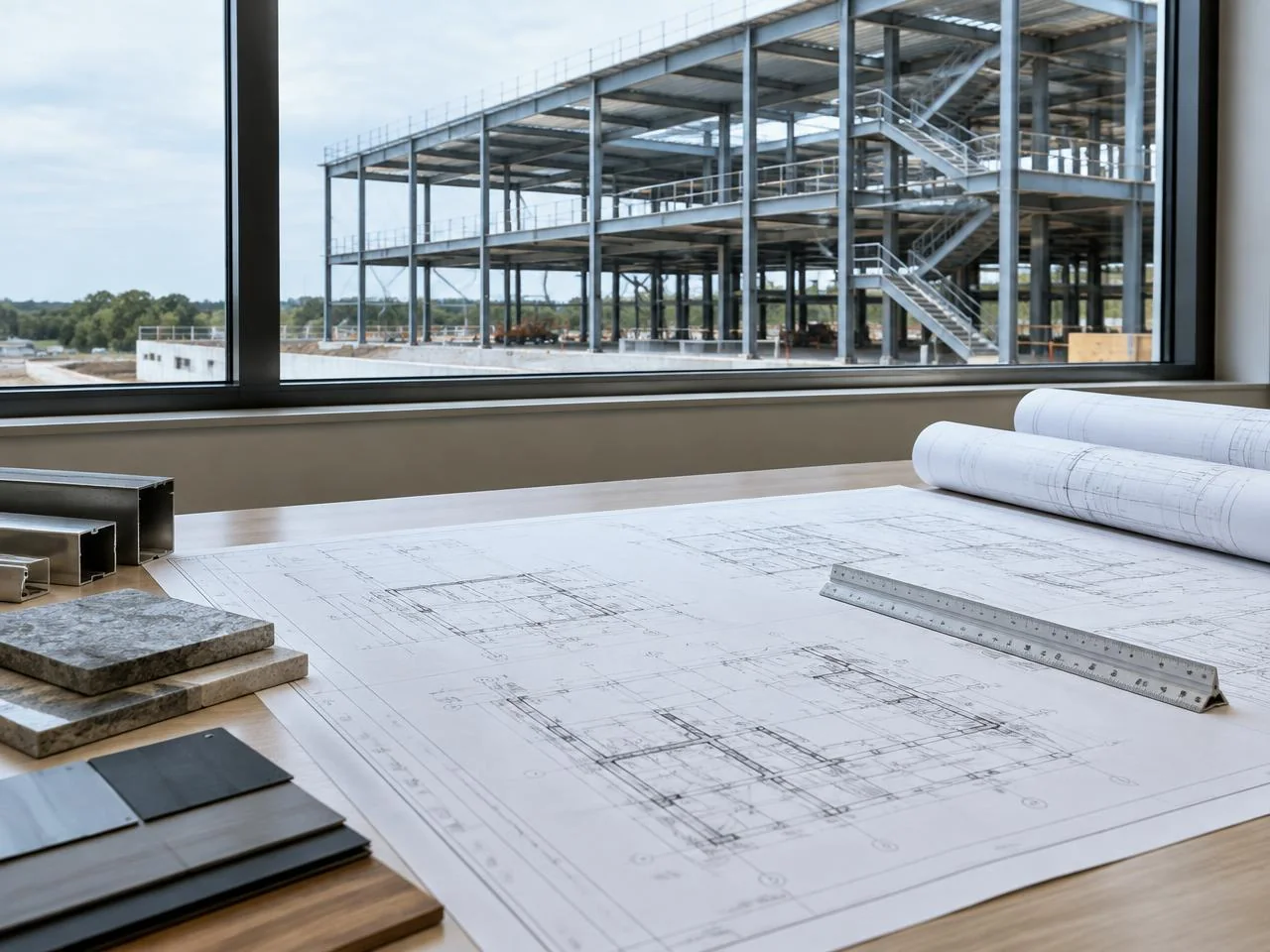
Record drawings, often called as-built drawings, show how the work was actually installed, including changes made during construction. Accurate records help future maintenance and renovation teams find concealed systems.
Keep as-built markups current throughout construction rather than reconstructing them at the end. Final documentation may also include approved submittals, inspection reports, and certificates required by the specifications.
Testing & Commissioning
Testing verifies that systems perform as specified. Commissioning, where required, is a broader quality process that verifies systems are designed, installed, and functionally tested to meet the owner requirements. The Whole Building Design Guide describes commissioning as a process that ideally begins early in a project.
The scope of testing and commissioning, and who performs it, is set by the contract. Some projects use a separate commissioning provider. Schedule time for testing, retesting, and documenting results before the facility is turned over.
Operations & Maintenance Manuals
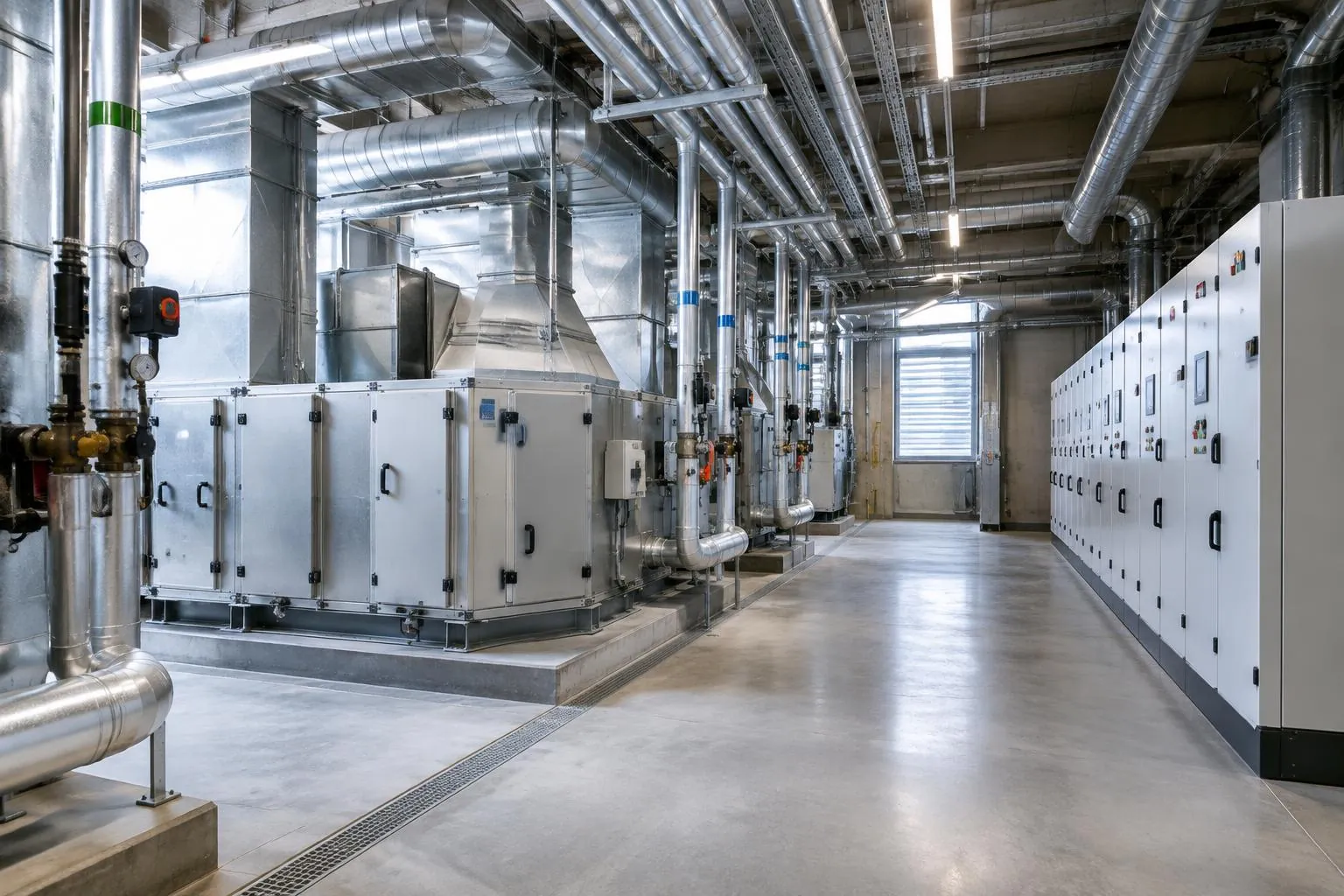
Operations and maintenance manuals give the facility team equipment data, operating procedures, maintenance schedules, and parts information. They are most useful when organized by system and matched to the installed equipment.
The Department of Energy Federal Energy Management Program publishes operations and maintenance guidance that explains why accurate equipment information supports efficient operation. Training for facility staff may also be part of the deliverables.
Warranty Documentation
Warranty documentation records manufacturer and contractor warranties, their start dates, durations, and contact information. Warranty start dates often depend on the acceptance date, so confirm how the contract defines them.
Organize warranties so the facility team can find them quickly when an issue appears. Identify who to call, what information to provide, and any conditions that could void a warranty.
Facility Turnover
Turnover is the point at which the owner takes responsibility for the space. It may happen all at once or in phases, particularly in occupied buildings where areas return to service in sequence.
Coordinate turnover with the users of the facility. Confirm keys, access controls, system settings, and any remaining work. Beneficial occupancy before final acceptance should follow the terms of the contract.
Physical Completion Versus Administrative Contract Closeout
Physical completion means the construction work is finished and accepted. Administrative contract closeout is the government process of closing the contract file, which FAR 4.804 addresses. It can include final payment, release of claims, settlement of indirect rates where applicable, and confirmation that all contract actions are complete.
The two are related but not the same. A facility may be fully in use while administrative closeout continues. Contractors should respond promptly to closeout requests from the contracting office so final payment and file closure are not delayed.
Construction Closeout Checklist
Adjust this list to the contract specifications and clauses for each project. Electrical construction, HVAC and mechanical, and facility maintenance pages explain how these systems connect to long-term operation.
- Closeout register built from the specifications and clauses
- Final inspections scheduled and deficiencies tracked
- Punch-list items completed and confirmed
- Record drawings updated and delivered
- Testing and any required commissioning documented
- Operations and maintenance manuals organized by system
- Warranties compiled with start dates and contacts
- Facility staff training completed where required
- Turnover coordinated with facility users
- Administrative closeout requests answered promptly
Frequently Asked Questions
References & further reading
FAR 4.804: Closeout of Contract FilesFAR 52.246-12: Inspection of ConstructionFAR Part 36: Construction and Architect-Engineer ContractsWBDG: Building CommissioningDOE FEMP: Operations and Maintenance Best Practices GuideReferences are background material. Current solicitation documents, agency requirements, equipment guidance, and qualified professional advice govern the actual project.