What Belongs in an Equipment Inventory?
Government facility preventive maintenance starts with knowing what the facility contains. Identify equipment, location, the systems served, and available operating information. Asset records should connect to manuals, service history, asset inspections, and the people responsible for maintenance decisions. An incomplete inventory makes it difficult to set consistent priorities or develop reliable maintenance schedules.
Do not treat every piece of equipment as equally critical. A small component can support an important operating function, while larger equipment may have redundancy. Discuss system dependencies with facility personnel. Record observed conditions and available service history, then identify where inspections or additional records are needed to support maintenance decisions.
How Do Preventive, Predictive, and Corrective Work Differ?
Preventive maintenance uses planned tasks at appropriate intervals. Predictive approaches use condition information to help determine when attention is needed. Corrective work addresses a known defect or failure. A facility program can combine these approaches rather than assuming that one method fits every asset.
The DOE Federal Energy Management Program’s Operations and Maintenance Best Practices Guide provides broad background on maintenance approaches and operational efficiency. It is a reference, not a current equipment-specific instruction or a substitute for manufacturer guidance. Use applicable requirements, equipment information, and qualified assessment when establishing the actual tasks and frequencies.
How Should HVAC Maintenance Be Planned?
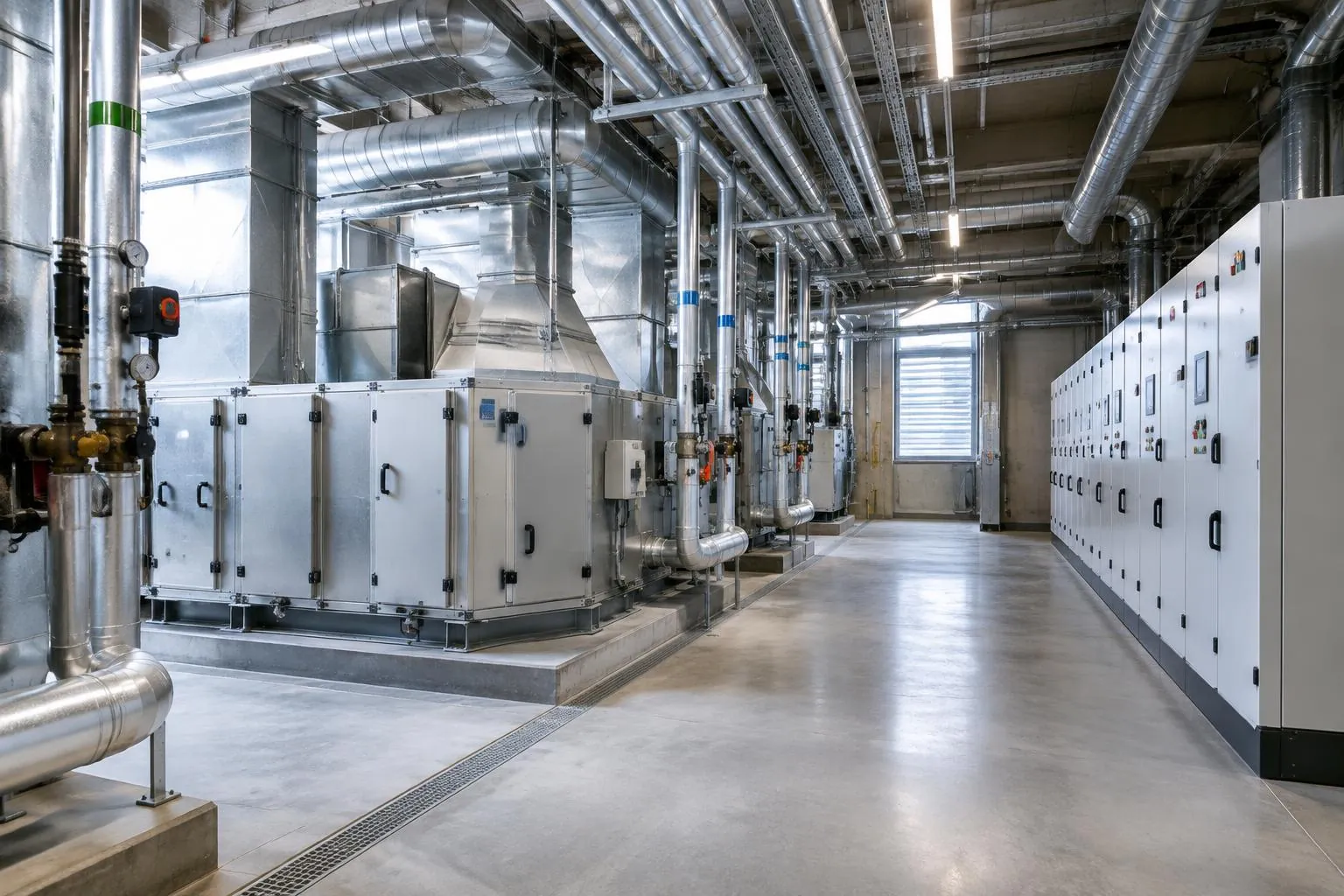
Heating, ventilation, and cooling equipment differ in configuration, duty, age, and condition. A maintenance plan should identify the systems present and the information needed to service them appropriately. Records can help connect recurring concerns to equipment performance, operating conditions, and earlier repairs.
Access, service interruptions, replacement components, and coordination with occupants should be considered before work is scheduled. Do not apply a universal service interval from a general article. Manufacturer instructions, qualified assessment, and facility requirements determine the appropriate maintenance activities. Work that changes a system may also require design review and additional approvals beyond routine upkeep.
Who Should Perform Electrical Maintenance?
Electrical systems support building operations and can present significant hazards. Maintenance and inspection must be performed by appropriately qualified personnel under the procedures applicable to the equipment and facility. Equipment access, electrical testing, and isolation require the responsible professionals to evaluate hazards and establish the appropriate work practices before maintenance begins.
For planning purposes, identify distribution equipment, known concerns, available documentation, and operational dependencies. Coordinate the review with the facility’s responsible personnel. If an interruption is needed, establish the affected systems and approval process before selecting a work window. Maintenance findings should be documented so repairs and potential upgrades can be considered with the correct technical input.
How Should Maintenance Work Be Prioritized?
A maintenance backlog needs a defensible order of attention. Consider the observed condition, the consequence of failure, the systems affected, access limitations, and whether temporary measures are appropriate. Cost alone may not identify the most important task. Nor should a general description of equipment age substitute for an assessment of its actual condition.
Separate routine work from concerns that require prompt professional evaluation. For planned improvements, connect priorities to available resources and realistic work windows. Record the basis for decisions so future teams can understand why particular activities were deferred or advanced. A priority list should be reviewed as conditions and operational needs change.
How Do Service Records Improve the Next Planning Cycle?
A completed work order should do more than show that someone attended the site. Useful records identify the asset, the concern, the work performed, findings, replacement components, and any follow-up needed. The level of detail should fit the facility’s requirements and the task. Consistent records make recurring issues easier to recognize.
Link maintenance findings to the next planning cycle. Repeated repairs may suggest the need for further investigation or a broader improvement project, but the conclusion should be supported by evidence. Equipment information, service history, and operating context help owners evaluate repair and replacement options without relying on unsupported savings claims or generic performance promises.
When Does Maintenance Become a Facility Improvement Project?
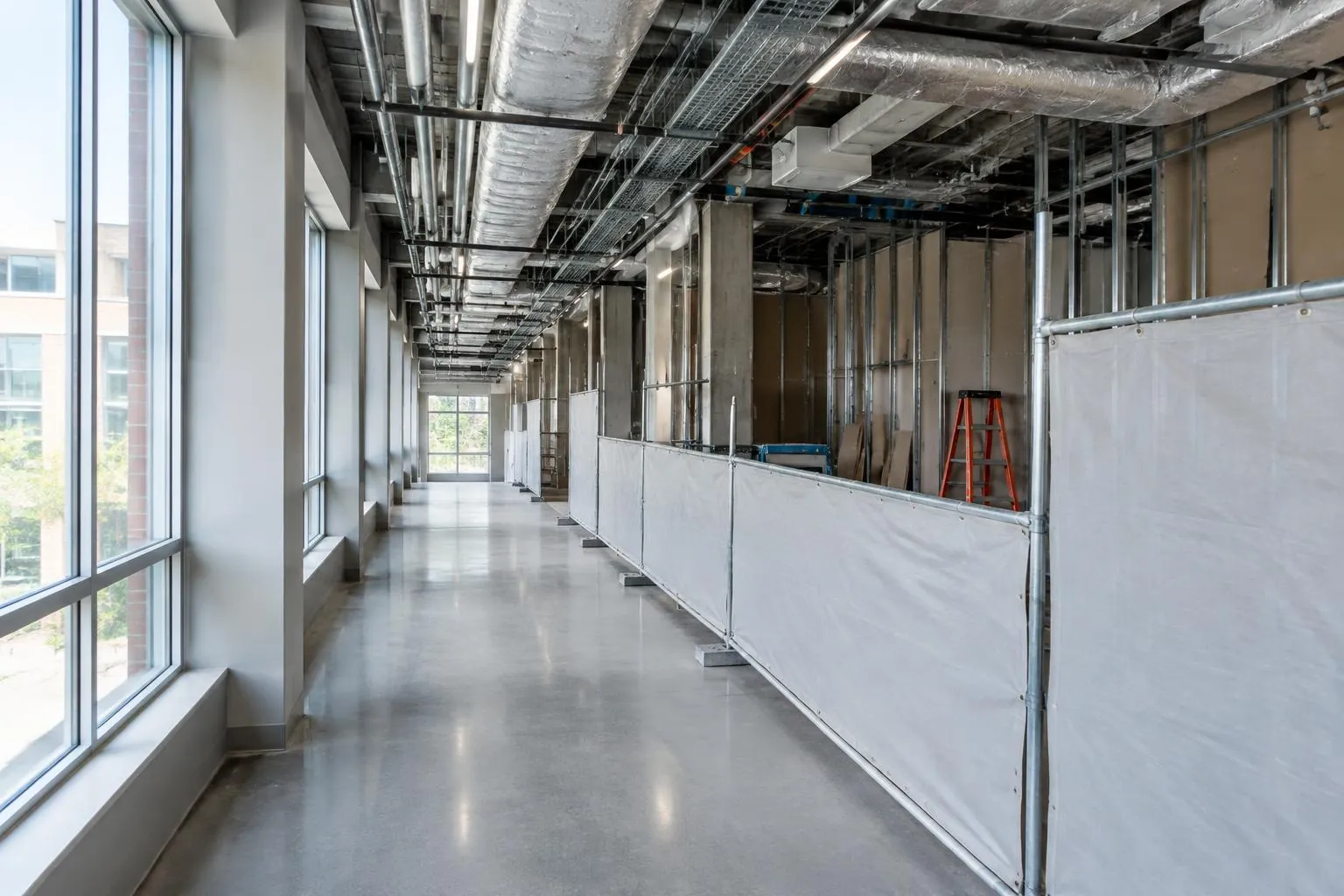
Maintenance and construction can intersect when equipment replacement affects access, electrical supply, mechanical connections, or surrounding finishes. Treat those interfaces as part of the scope. A planned maintenance activity may need coordination with several trades rather than a single isolated service visit.
Use maintenance findings to define whether the next step is routine service, a targeted repair, or a coordinated improvement project. Record the assets involved, known concerns, operating dependencies, and anticipated work windows. The facility maintenance service page provides related scope context. Government facility preventive maintenance should connect each completed task to service records and the next planning cycle, with activities and intervals based on equipment guidance and qualified assessment.
References & further reading
DOE FEMP: Operations and Maintenance Best Practices GuideReferences are background material. Current solicitation documents, agency requirements, equipment guidance, and qualified professional advice govern the actual project.