
Operational Coordination
Identify the functions affected by the work and the facility representatives responsible for decisions. Confirm work boundaries and the sequence needed to coordinate construction with ongoing use.
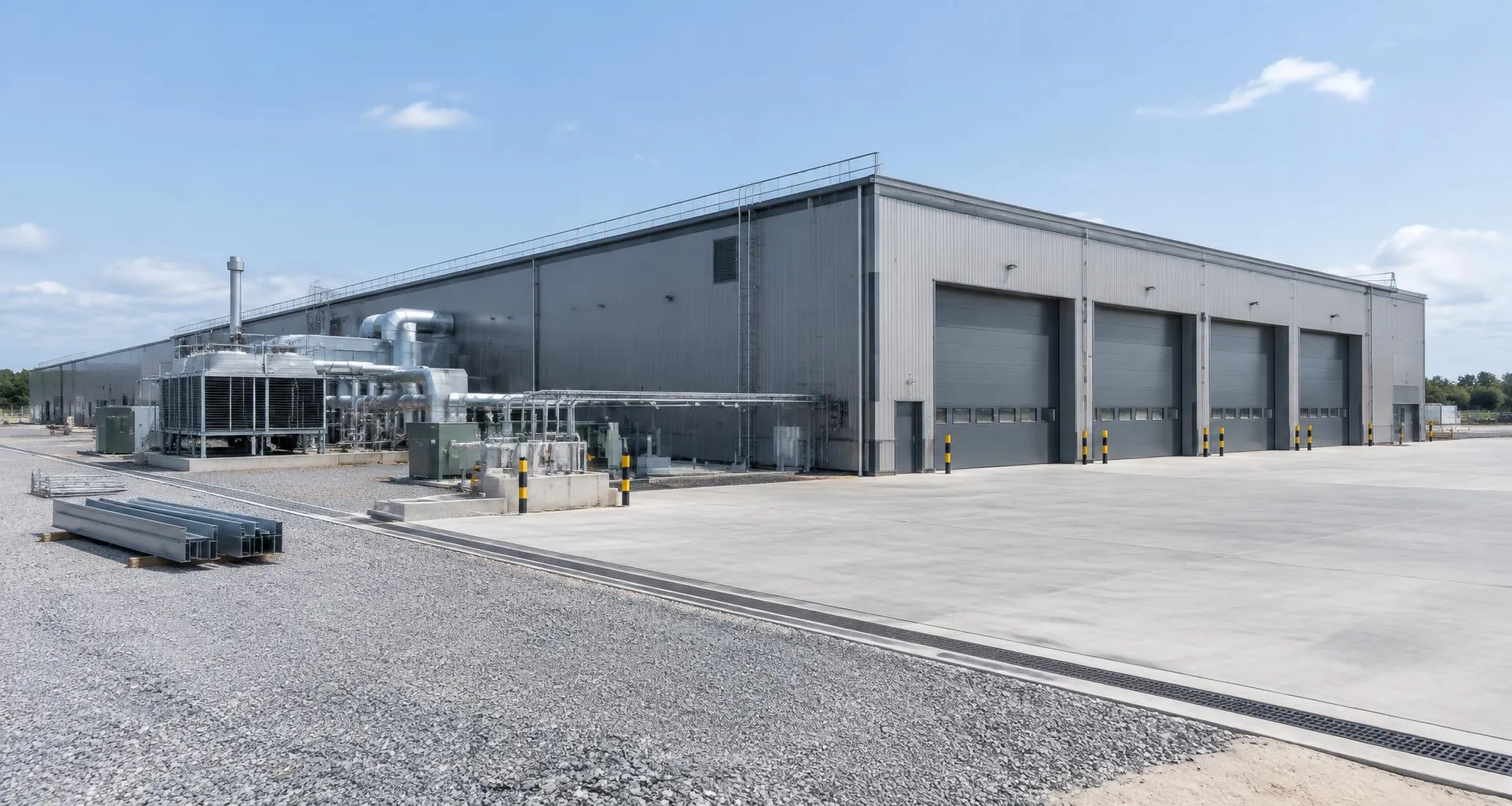
A military construction contractor must plan facility improvements around installation requirements, operating needs, and trade interfaces. Sahara Palms Inc. supports scope discussions for construction, renovation, and building-system work, with access and performance requirements reviewed for each project.
Military facilities serve different functions, and their construction needs cannot be reduced to a single building type. Administrative space, maintenance facilities, and supporting infrastructure may require new construction, modernization, electrical improvements, HVAC work, or ongoing repairs. Sahara Palms Inc. has published experience supporting Hill Air Force Base and other government facilities, providing a basis for discussions about relevant construction and facility-system requirements.
Each installation and project establishes its own operating, procurement, and access requirements. A military construction contractor should review facility use, the contracting relationship, site rules, drawings, and schedule constraints before planning mobilization. Worker authorization, vehicle entry, deliveries, and permitted work areas require installation approval for the particular project. Clear responsibilities help coordinate construction around operations and identify decisions requiring an authorized facility representative.
Identify the functions affected by the work and the facility representatives responsible for decisions. Confirm work boundaries and the sequence needed to coordinate construction with ongoing use.
Review visitor and worker authorization, escorts where required, vehicle entry, and deliveries through the responsible installation channels. Access is project-specific and must never be assumed.
Agree on permitted work windows and dependencies, including shutdowns, noisy activities, and material delivery. Allow for site procedures in the plan without guaranteeing approval or response timing.
Coordinate protections for construction personnel and adjacent facility users. Utility isolation, removal activities, and equipment installation need work-appropriate procedures and clear responsibility.
Establish which drawings, submittals, records, and inspections govern the scope. Communicate through authorized project contacts and review changes before they affect associated work.
Review affected spaces, circulation, and building systems. Phasing or temporary arrangements require agreement within the scope; continuity is a planning objective, not a promise of uninterrupted operations.
Understand the facility use, affected systems, proposed changes, and operating constraints.
Confirm authorized contacts, access requirements, logistics, and permitted work areas.
Align construction, electrical, mechanical, and inspection activities with agreed windows.
Review completion, remaining issues, and the records required for facility use.
Renovation in an operating military facility starts with a review of existing conditions and retained systems. Demolition boundaries, protected routes, and utility interfaces influence what can proceed at each stage. Layout changes should be coordinated with electrical and mechanical needs before finishes are installed. Where structural removal or specialist investigation is needed, methods and professional responsibilities require separate review.
Electrical upgrades and HVAC replacement can affect areas beyond the immediate work zone. Equipment connections, isolation boundaries, service clearances, and future maintenance access should be considered together. Facility maintenance may support preventive upkeep or corrective work, but tasks, timing, equipment suitability, and current availability need direct confirmation rather than assumed emergency coverage.
A military construction project may connect structural work, systems, and finishes through several subcontractors. Clear scope assignments help avoid gaps between trades. Installation order should allow required inspections and testing before subsequent work conceals important details. Progress discussions should address readiness, unresolved information, and any changes affecting the agreed sequence.
Contract provisions and installation procedures determine the applicable safety, technical, construction documentation, and access requirements. Contracting and facility representatives should identify those requirements at the outset. Review contractor qualifications and relevant past performance against the opportunity, then assign quality control responsibilities, inspection points, and acceptance records. Personnel and site permissions require project-specific approval before affected activities begin.
Sahara Palms Inc. is a government electrical contractor coordinating electrical system installation, power distribution, upgrades, and repairs around the demands of federal, military, and commercial facilities.
As a government HVAC contractor, Sahara Palms Inc. coordinates HVAC installation, mechanical system replacement, repairs, and maintenance for public-sector and commercial buildings, their occupants, and their operating needs.
Sahara Palms Inc. supports facility modernization as a government renovation contractor, coordinating interior renovations and selective demolition for public-sector and commercial buildings while planning around spaces that remain in use.
Government facility maintenance from Sahara Palms Inc. connects building repairs, preventive maintenance, and electrical and HVAC upkeep. Commercial facility managers can also discuss equipment maintenance and long-term building priorities.
Government construction contracting is the process by which an agency defines a construction requirement, solicits offers under the Federal Acquisition Regulation or other applicable rules, and awards work to a prime contractor, who may involve subcontractors and teaming partners. Sahara Palms Inc., based in Layton, Utah, reviews government opportunities by scope, location, and current capacity.
Explore government contractingEvaluating a Hill Air Force Base construction contractor starts with relevant experience and project-specific qualifications. Sahara Palms Inc. has published experience supporting Hill Air Force Base and other government facilities, with headquarters in nearby Layton, Davis County, serving as a Northern Utah coordination point.
Explore hill air force baseMACC construction contracting uses multiple-award construction arrangements to procure individual projects through task orders. Understanding vehicle eligibility, competition procedures, and performance responsibilities helps agencies and construction partners prepare a defined requirement for proposal and field delivery.
Explore macc contractingA government construction subcontractor needs a defined work package, clear reporting relationships, and a practical understanding of agency requirements. Sahara Palms Inc. discusses subcontracting and teaming opportunities with prime contractors and construction partners according to capability fit, schedule, and project conditions.
Explore subcontracting & teamingReview Sahara Palms’ published capability statement and request current documents relevant to your opportunity. Published construction experience is distinct from independently verified qualifications or an active contract award.
Capability StatementStart with the facility requirements, procurement context, and operating constraints. Discuss capability fit before making assumptions about access or delivery.