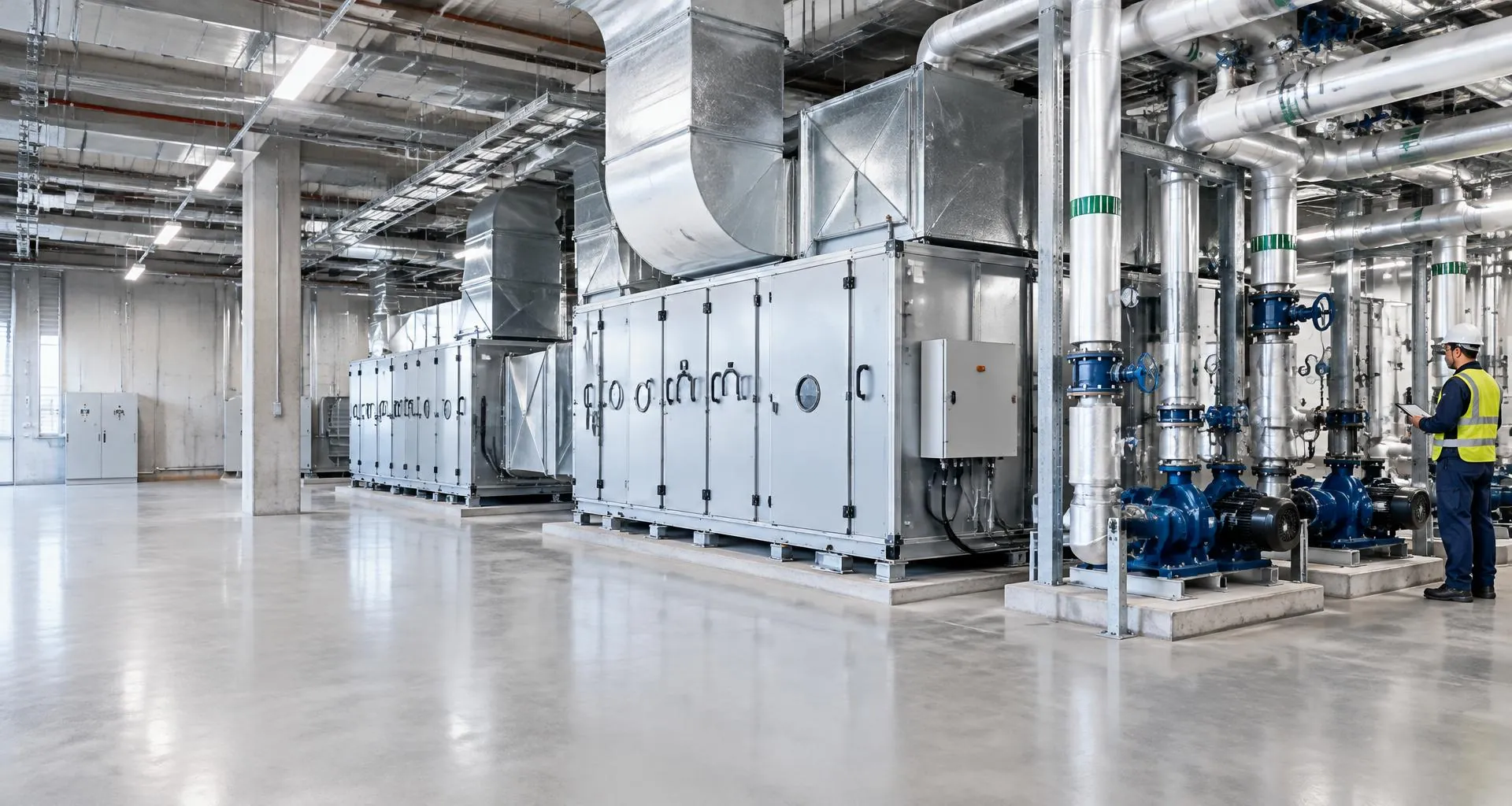
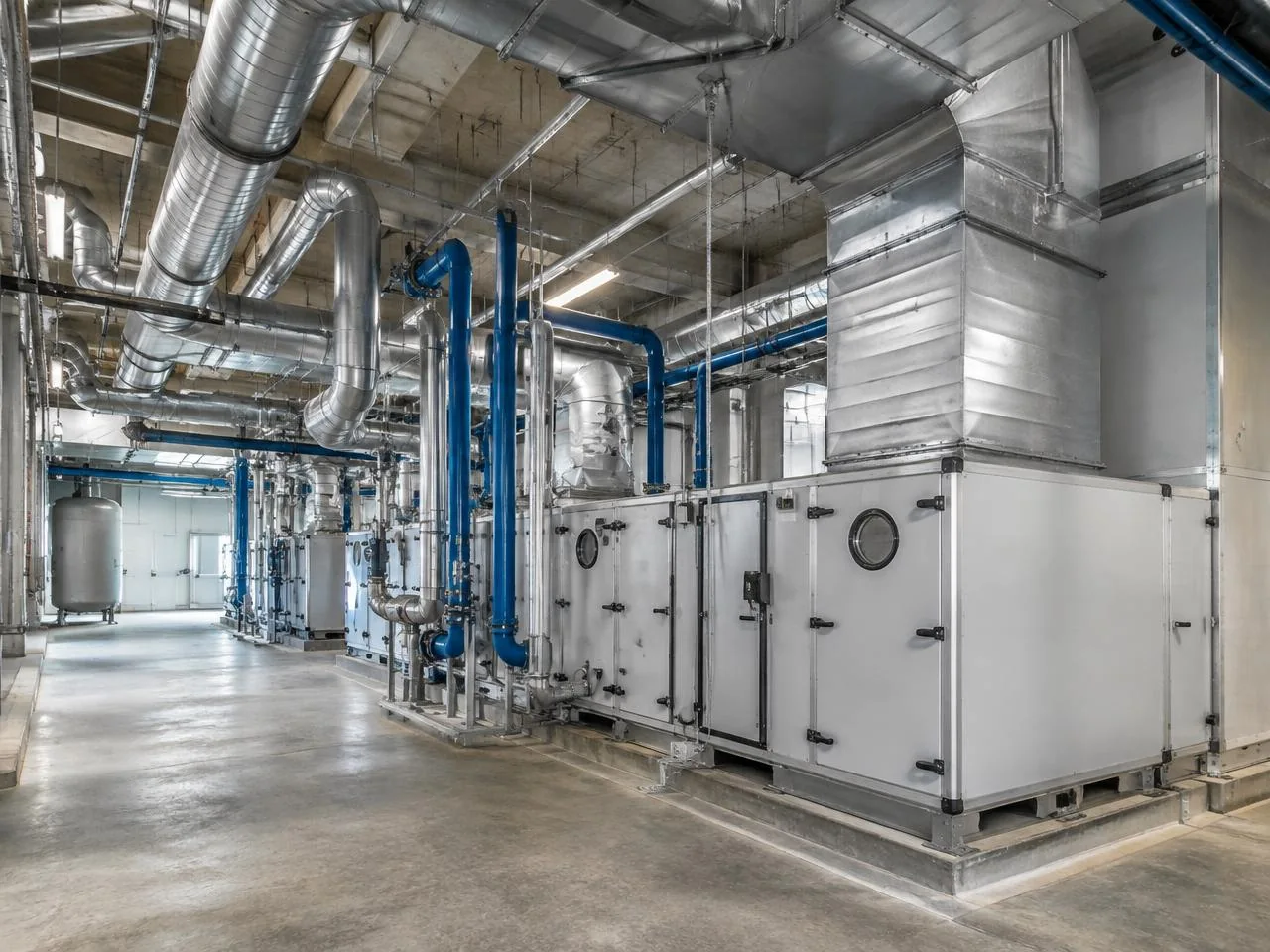
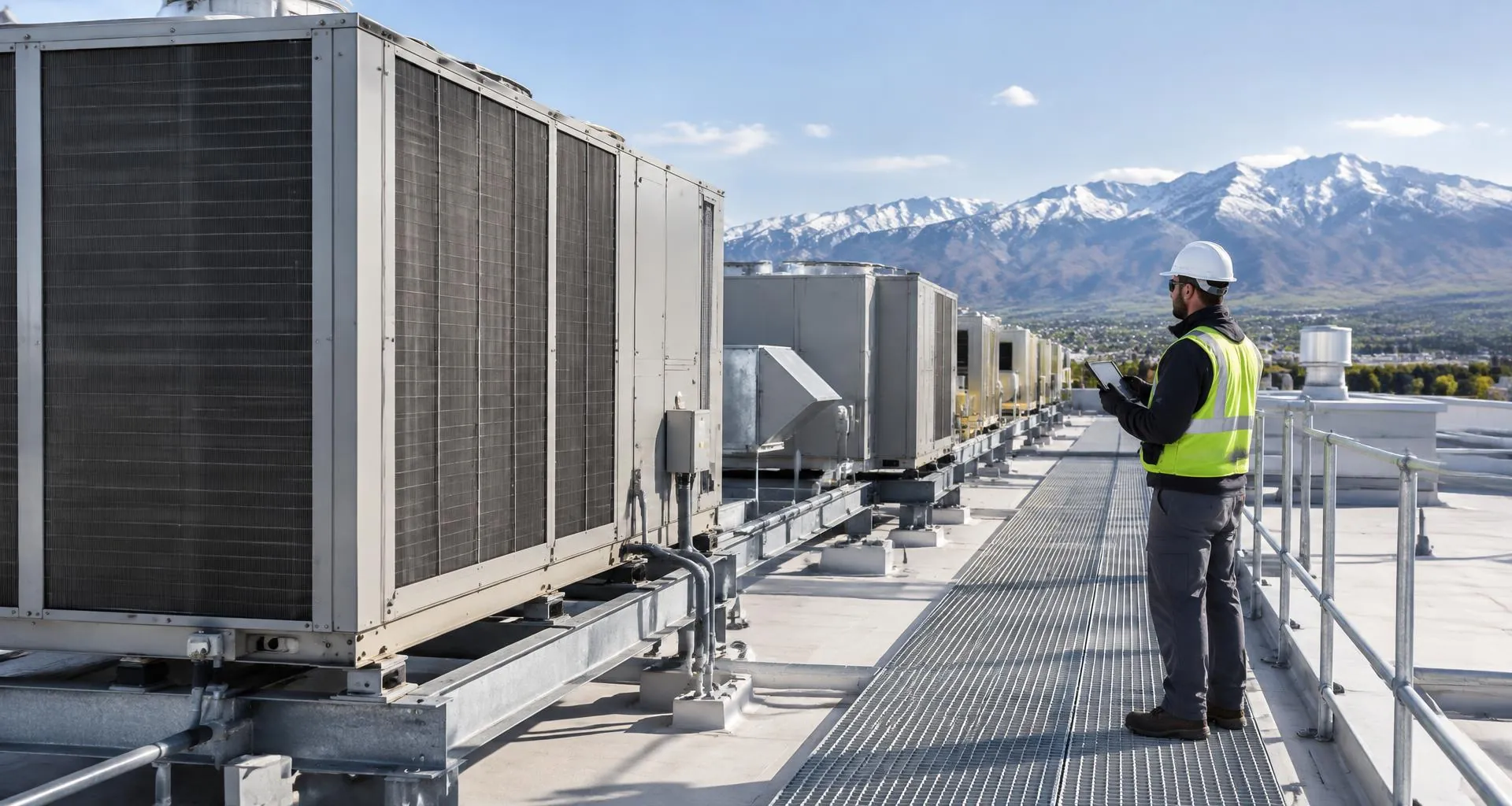
As a government HVAC contractor, Sahara Palms Inc. coordinates HVAC installation, mechanical system replacement, repairs, and maintenance for public-sector and commercial buildings, their occupants, and their operating needs.
HVAC & Mechanical Systems For Government & Commercial Facilities
Heating, cooling, and ventilation support more than indoor comfort. They influence the usability of occupied space, maintenance demands, and the way a facility adapts to changing requirements. As a government HVAC contractor serving public-sector and commercial facilities, Sahara Palms coordinates heating and cooling systems, ventilation systems, repairs, and mechanical infrastructure improvements with the broader construction scope.
Mechanical planning starts with the existing equipment, the spaces it serves, and the conditions the facility needs to maintain. Equipment age alone does not determine the right action. Repair history, access, system condition, replacement compatibility, and operating priorities help facility managers evaluate maintenance, repair, or modernization. Any proposed efficiency improvement should be assessed against actual equipment and building requirements.
Core capabilities
Heating, cooling, and ventilation expertise
01 /
Commercial HVAC Installation
Coordinate heating, cooling, and ventilation installation for new buildings and facility improvements. Equipment space, duct routes, access, electrical connections, and the approved design need to be considered together before installation proceeds.
02 /
HVAC System Replacement
Review existing equipment, capacity requirements, physical access, and connection interfaces before replacement. Removal and delivery logistics can influence the sequence, especially where equipment serves occupied areas or where the available installation space is constrained.
03 /
HVAC Repairs
Coordinate assessment and corrective work for reported heating, cooling, or ventilation issues. Equipment details, symptoms, service history, and operating constraints help define the review. Repair suitability and availability depend on the system and findings.
04 /
Preventive HVAC Maintenance
Plan upkeep around equipment requirements, condition, and facility operations. A structured maintenance scope helps organize routine tasks and identify developing concerns. Frequencies and included checks are established for the equipment rather than offered as a universal package.
05 /
Ventilation & Air Distribution
Review ventilation and air distribution as part of the facility’s intended use and approved mechanical requirements. Changes to layouts or occupancy may affect how air reaches different spaces, making coordination important during renovations and building improvements.
06 /
Mechanical System Improvements
Coordinate improvements to mechanical equipment and associated systems within a defined scope. Space, connections, service access, electrical interfaces, and construction requirements are reviewed together to support practical installation and future upkeep.
Federal / Military / Public sector
Mechanical Coordination For Operating Government Facilities
Government and military HVAC projects may involve occupied administrative buildings, operational spaces, or other facilities where the timing of an interruption matters. Work planning should identify the areas served by affected equipment, access restrictions, and coordination needed with facility managers before replacement or repair activities begin.
Sahara Palms’ published government experience includes Hill Air Force Base and other government facilities. Each project still requires its own review of agency specifications, installation procedures, access, and current availability. Equipment selection, installation requirements, and performance objectives are evaluated for the actual system. Safety planning addresses equipment isolation, lifting access, and protection of occupied areas; quality reviews address installation and required functional checks.
Modernization Informed By Condition And Lifecycle Needs
Equipment Lifecycle Planning
Consider equipment condition, repair history, access to parts, operating priorities, and replacement interfaces. A lifecycle discussion helps facility managers compare continued maintenance with planned renewal rather than waiting for a decision to become urgent.
Reliability And Operational Continuity
Agree on work windows, sequencing, affected spaces, and any temporary arrangements within the approved scope. Clear communication helps occupants and facility personnel prepare for changes, but uninterrupted operation cannot be guaranteed.
Mechanical Construction Coordination
Align HVAC work with electrical connections, structural supports, openings, ceilings, and finishes. Installation planning should protect access for future service and allow required reviews and inspections before associated work is concealed.
Project delivery
A deliberate mechanical project process
01
Assess
Review equipment records, condition, reported issues, and the spaces served.
02
Plan
Define repairs or improvements, interfaces, work windows, and installation requirements.
03
Coordinate
Organize mechanical work with electrical, construction, and facility representatives.
04
Review
Coordinate required checks, handover information, and ongoing maintenance needs.
Why Sahara Palms
Mechanical Improvements With Construction Context
Sahara Palms connects HVAC and mechanical capabilities with electrical, construction, renovation, and facility maintenance services. That combination supports a practical review of the building around the equipment. Attention to interfaces, access, and operating needs can help owners make informed decisions about both immediate work and long-term facility performance.
Based in Layton, Utah. Project support nationwide.
Sahara Palms evaluates HVAC and mechanical work from Layton in Davis County, serving project discussions across Northern Utah and the Wasatch Front. Nationwide government and commercial support is subject to requirements and availability. Offices, administrative facilities, warehouses, and institutional buildings require equipment-specific review of ventilation, access, operating hours, and replacement logistics.
1564 West Hill Field Road, Ste. 4 Layton, Utah 84041(801) 332-9434
Project questions
Questions about hvac & mechanical
Established services include installation, replacement, repair, maintenance, ventilation, and mechanical improvements. Equipment requirements and specific tasks are reviewed before the scope is agreed.
Replacement may be possible with agreed work windows and a coordinated plan. The team must review affected spaces, access, removal logistics, and any required temporary arrangements.
Compare the equipment’s condition, repair history, parts availability, and ability to meet current heating, cooling, and ventilation needs. Replacement also requires review of physical access, electrical connections, and operating interruptions before a recommendation is made.
Space use, occupancy, envelope conditions, ventilation needs, and operating schedules affect HVAC sizing. Qualified design professionals should evaluate loads and system requirements rather than selecting replacement equipment solely by the size of the existing unit.
Tasks depend on the equipment, condition, operating environment, and agreed scope. The maintenance plan should specify frequency, responsibilities, and how findings are reported.
Yes. New layouts or changed space use may affect air distribution and system requirements. Mechanical needs should be reviewed with the approved design before finishes are installed.
No. Performance depends on equipment, design, use, controls, and operating conditions. Set efficiency objectives using project-specific assessment, expected operating hours, and a defined basis for comparing performance.
Provide the location, equipment information, affected spaces, reported concerns, available drawings, and schedule constraints. Call (801) 332-9434 to discuss assessment and scope.
Let’s discuss your project
Discuss Your HVAC Project
Bring your equipment information and facility priorities. Let’s discuss maintenance, replacement, or mechanical improvements in the context of your building.