
What Defines the Facility Requirement?
For federal government construction projects, the initial need may be a capacity issue, aging equipment, a space that no longer supports its purpose, or a building improvement. These starting points do not yet define a construction package. Federal construction planning must establish what needs to change, which systems are affected, and what information is available about the existing facility.
Separate the desired outcome from a preferred solution. For example, a concern about indoor conditions may require investigation before an equipment replacement can be specified. Document known conditions, operational limitations, and unresolved questions. This gives designers, procurement representatives, and construction participants a shared basis for developing the requirement rather than pricing different assumptions.
How Should Procurement Documents Be Reviewed?
FAR Part 36 addresses construction and architect-engineer contracts. The particular solicitation, amendments, drawings, specifications, and agency instructions determine the actual opportunity. A general article cannot establish eligibility, evaluation criteria, contract terms, or site requirements for a project. Current documents should be reviewed by the responsible procurement and project professionals.
Check the scope boundaries, delivery method, proposal instructions, schedule expectations, and required supporting information together. A drawing note can affect a trade package; a site-access instruction can affect sequencing. Clarifications should follow the channels identified in the solicitation. Do not assume that an informal conversation changes a contract requirement or authorizes additional work.
Who Makes and Approves Project Decisions?
Construction involves several different kinds of authority. The facility representative understands operational needs. Design professionals address technical design within their responsibilities. The contracting officer and designated representatives act within their assigned authority. Contractors and subcontractors coordinate the execution of the work specified in their agreements.
An early responsibility review helps avoid confusion between coordination and approval. Identify who reviews submittals, who receives requests for information, how field concerns are recorded, and how potential changes are handled. These procedures should be consistent with the actual contract. A contractor’s willingness to help solve a problem does not replace an authorized decision or the appropriate design review.
How Do Operating Conditions Affect Construction?
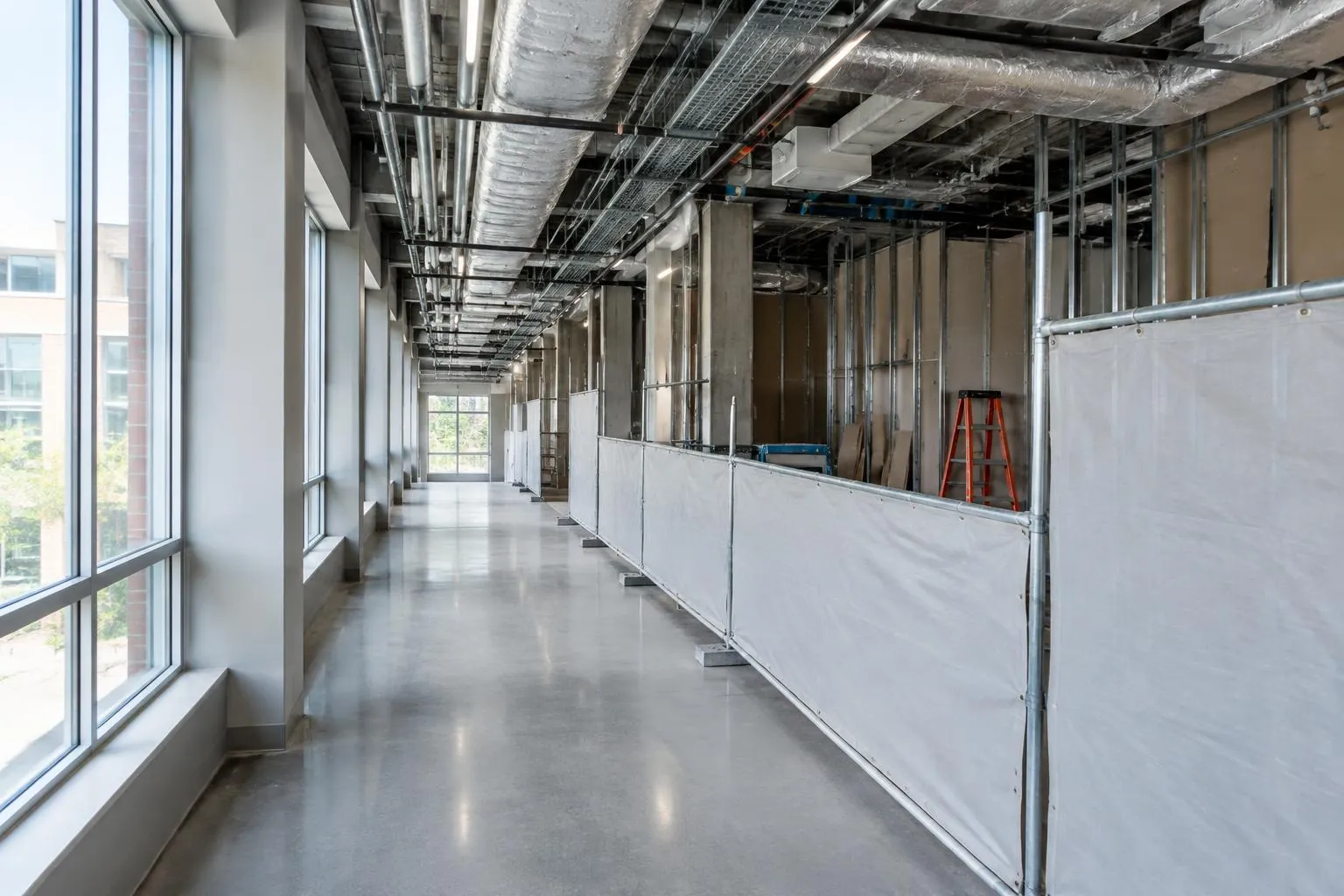
Federal facilities may remain occupied during construction. Access routes, work boundaries, deliveries, temporary arrangements, and system interruptions can become important parts of the schedule. Military installations may have additional site-specific procedures, but requirements must be confirmed rather than assumed from another facility.
Build the operating constraints into the sequence before they become field conflicts. Discuss which areas can be isolated, when a system can be interrupted, and what must be restored before the next activity begins. Coordinate those windows with equipment lead times and the work of adjacent trades. A schedule that ignores access and continuity can be unrealistic even when individual task durations appear reasonable.
How Does Documentation Support Field Quality?
Quality review is more useful when records support decisions in the field. Submittals, equipment information, approved details, inspection requirements, and change records should connect to the work being installed. The contract establishes which reviews and records are required; the project team should not substitute a generic checklist for those obligations.
Trade interfaces deserve attention. Structural openings, electrical requirements, mechanical clearances, and finish transitions can affect one another. Addressing these relationships before installation can reduce avoidable rework. Record unresolved conditions and route them through the agreed process so later work does not conceal a concern that still needs review.
What Belongs in Project Closeout?
Handover is not simply the last day of construction. Depending on the scope and contract, it can involve inspections, punch-list work, testing records, operating information, record documents, and training. The facility team needs information that reflects the installed work and supports continued operation.
Identify closeout requirements early and assign responsibility for collecting them. Track the information associated with equipment and systems as the project proceeds. This makes it easier to recognize missing records before acceptance activities. The required deliverables and their timing remain project-specific; no single list applies to every federal construction contract.
What Information Supports an Initial Project Review?
Before a project planning discussion, assemble the facility location, intended scope, delivery method, procurement stage, known constraints, and anticipated schedule. Identify the qualification documents needed by the reviewing organization. Share sensitive information only through approved channels established by the responsible procurement and project representatives.
For federal government construction projects, organize the initial requirement around the facility need, procurement stage, design status, and known operating constraints. Identify which general construction, electrical, mechanical, renovation, or maintenance activities may interact. The government construction and capability pages offer related context, and how to choose a federal construction contractor explains how firms are evaluated. Confirm project obligations against the current solicitation, FAR Part 36, and agency instructions; this overview is educational, not legal advice.
References & further reading
FAR Part 36: Construction and Architect-Engineer ContractsFAR Subpart 42.15: Contractor Performance InformationFAR Subpart 46.3: Contract Clauses for Quality AssuranceReferences are background material. Current solicitation documents, agency requirements, equipment guidance, and qualified professional advice govern the actual project.