What Is Preconstruction Planning?
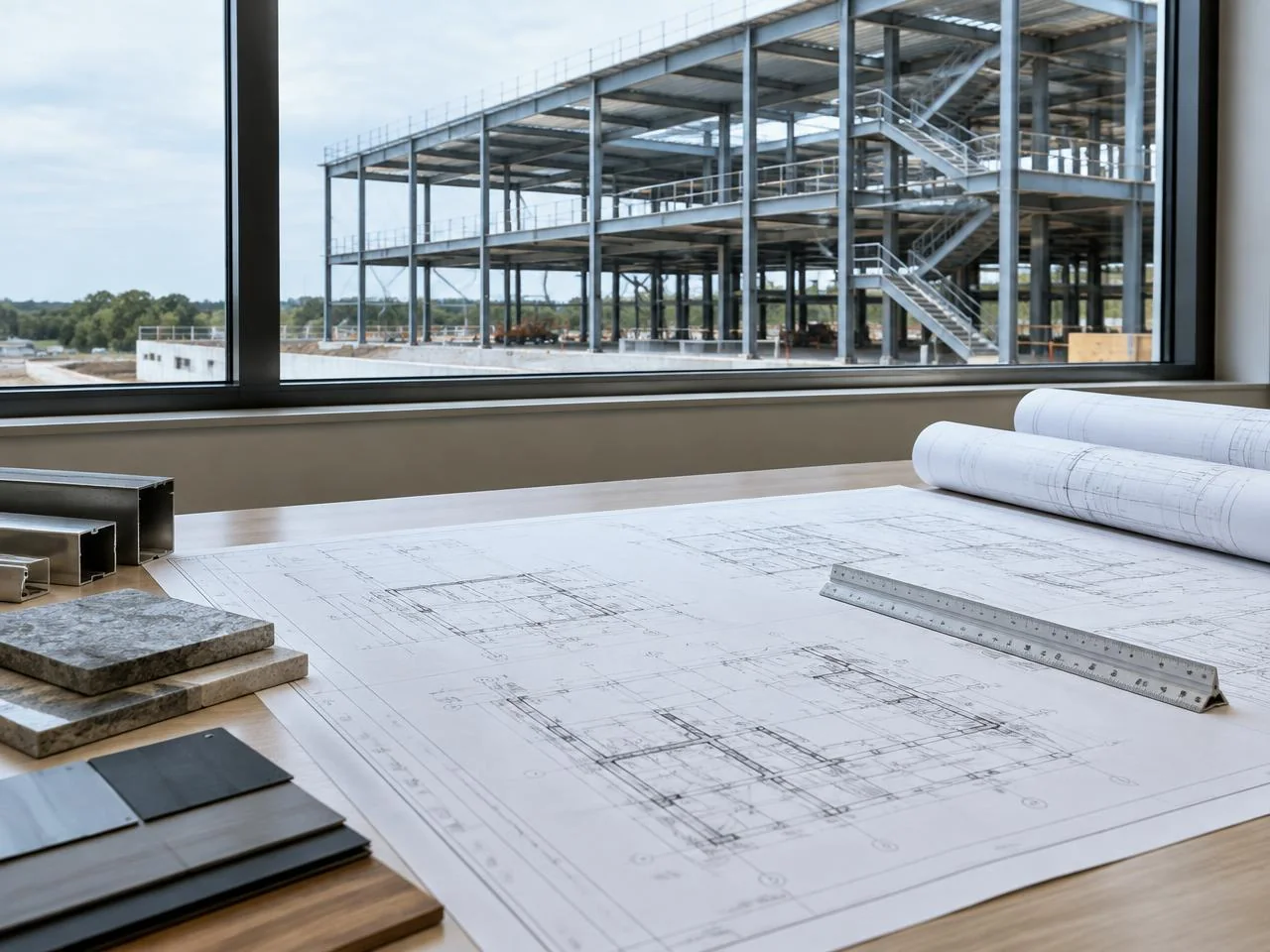
Preconstruction planning turns a contract or design into a workable construction plan. It covers scope review, site and facility assessments, constructability review, scheduling, procurement of long-lead items, and setting up communication and documentation procedures.
The amount of preconstruction work depends on the delivery method. In design-build, the contractor participates in design development, so preconstruction overlaps with design. In design-bid-build, the design is largely complete, and preconstruction focuses on planning execution. The design-build vs design-bid-build comparison explains the difference.
Understanding Project Scope
Scope development confirms what is included, what is excluded, and where the boundaries between trades and phases sit. Review drawings, specifications, and amendments together and list questions that affect price, sequence, or responsibility.
Raise scope questions through the channels the contract identifies, such as formal requests for information. Informal discussions do not change contract requirements, and work performed on an assumption can become a dispute later.
Reviewing Facility Conditions
Site assessments compare the documents with what is actually there. Walk the site, review existing drawings, and identify concealed conditions that could affect the work, such as unknown utilities, deteriorated structure, or hazardous materials that require separate handling.
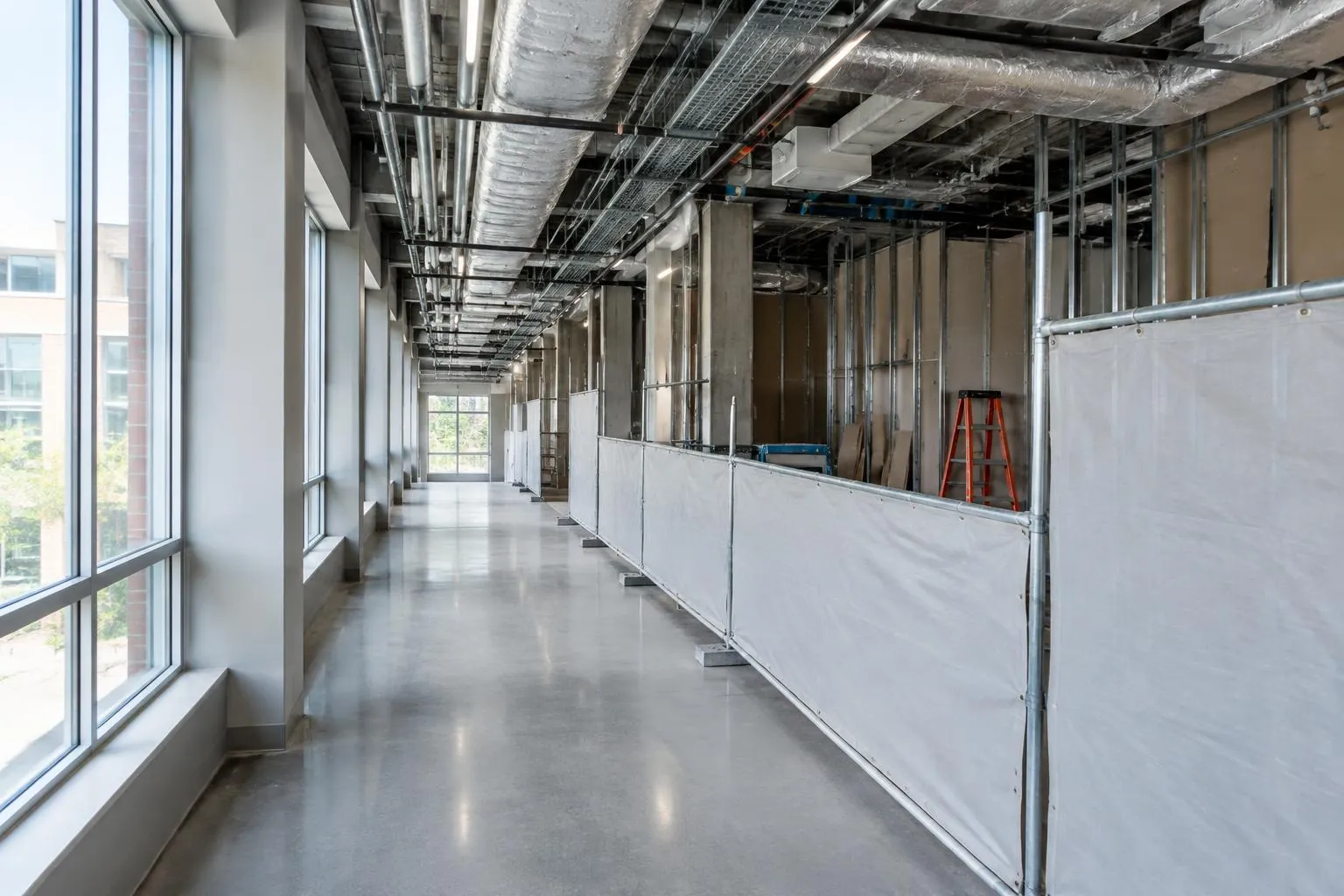
In occupied buildings, document how the facility operates: occupied hours, critical systems, access routes, and areas that cannot be disturbed. These conditions drive phasing and often matter more to the schedule than the duration of individual tasks. The renovation and demolition service page describes this in more detail.
Design & Engineering Coordination
Design coordination makes sure architectural, structural, mechanical, electrical, and fire protection documents agree with each other. Conflicts found on paper are far less disruptive than conflicts found during installation.
Design responsibility stays with the licensed professionals assigned to it. The construction team identifies conflicts and asks questions; it does not resolve design issues on its own authority. Track each question until the responsible designer answers it.
Constructability Considerations
A constructability review asks whether the work can be built as drawn, in the space available, in the sequence required. Typical concerns include clearances for equipment, access for installation and maintenance, crane or lift limitations, and conflicts between trades.
The review is most valuable when it includes the trades doing the work. A mechanical installer may see a clearance problem that a general reviewer misses. Record findings and route them through the agreed process.
Budget & Schedule Planning
The project schedule should reflect real constraints: lead times, inspection hold points, shutdown windows, occupied-area restrictions, and the time needed for submittal review. Many federal contracts require a schedule submission in a specified format.
Budget planning connects cost to scope and schedule. Contingencies, allowances, and the handling of unforeseen conditions follow the contract terms. Changes require authorization from someone with the authority to grant it, typically the contracting officer.
Material & Equipment Coordination
Long-lead equipment, such as switchgear, air handling units, and specialty systems, can control the schedule. Identify these items early, plan the submittal process around them, and confirm delivery and storage arrangements.
Submittals show that proposed materials meet the specifications. Plan review durations into the schedule and confirm who reviews each submittal. Substitutions follow the process defined in the contract.
Safety & Operational Requirements
Safety planning starts before mobilization. Identify the hazards of each activity, the controls required, and any site-specific requirements. Federal and military sites often have access, badging, escort, and security procedures that affect daily work.
Operational requirements include utility shutdowns, noise limits, dust control, and protection of occupied areas. Agree on how shutdowns are requested and approved, and how long notice must be.
Preconstruction Conferences
FAR 36.212 addresses preconstruction orientation, under which the contracting officer may inform the contractor of significant matters of interest. FAR 52.236-26 is a clause that, when included in a contract, provides for a preconstruction conference. Whether and how a conference occurs depends on the contract.
Prepare for the conference with questions about administration, submittals, payments, site access, safety, and communication. Record decisions and confirm them in writing, so that the field team works from the same understanding.
Preconstruction Planning Checklist
Use this list as a starting point and adjust it to the solicitation, contract clauses, and agency procedures. General construction and federal construction pages describe how Sahara Palms supports this phase.
- Scope reviewed against drawings, specifications, and amendments
- Open questions submitted through formal channels
- Site and existing conditions assessed and documented
- Design conflicts identified and routed to responsible designers
- Constructability review completed with trades
- Baseline schedule reflects lead times, inspections, and shutdowns
- Long-lead equipment and submittals planned
- Safety, access, and security procedures confirmed
- Preconstruction conference decisions recorded
Frequently Asked Questions
References & further reading
FAR 36.212: Preconstruction OrientationFAR 52.236-26: Preconstruction ConferenceFAR Part 36: Construction and Architect-Engineer ContractsWBDG: Design ObjectivesReferences are background material. Current solicitation documents, agency requirements, equipment guidance, and qualified professional advice govern the actual project.