Why Government Facilities Require Electrical Upgrades
Electrical upgrades are usually driven by one of four needs: aging equipment, added load from new uses or equipment, changes in mission or occupancy, or efficiency goals such as lighting improvements. Each driver leads to a different scope.
Defining the driver early prevents a mismatched project. A capacity problem may require service and distribution changes, while an efficiency goal may focus on lighting and controls. Commercial facilities face many of the same drivers.
Assessing Existing Electrical Infrastructure
An assessment documents equipment age, condition, ratings, available spare capacity, and known problems. It draws on existing drawings, maintenance records, site observations, and, where appropriate, testing performed by qualified personnel.
Existing drawings are often outdated. Field verification of panel schedules, feeders, and equipment locations reduces surprises during construction. Record what could not be verified so designers know the limits of the information.
Electrical System Capacity & Facility Requirements
Load assessment compares current and anticipated demand with the capacity of the service and distribution system. New equipment, such as data systems, process loads, or electrified mechanical equipment, can change demand significantly.
Capacity planning should consider the facility over its expected life, not only the immediate project. The responsible electrical engineer determines the design loads and equipment ratings in accordance with applicable codes and criteria.
Equipment Replacement Planning
Replacement planning sets priorities based on condition, criticality, and consequence of failure. Equipment serving critical operations may need replacement before equipment in less sensitive areas, even if it is newer.
Consider lead times early. Switchgear and transformers can have long manufacturing times, which affect phasing and may require temporary measures. Confirm delivery routes and space for installation and future maintenance.
Electrical Distribution Improvements
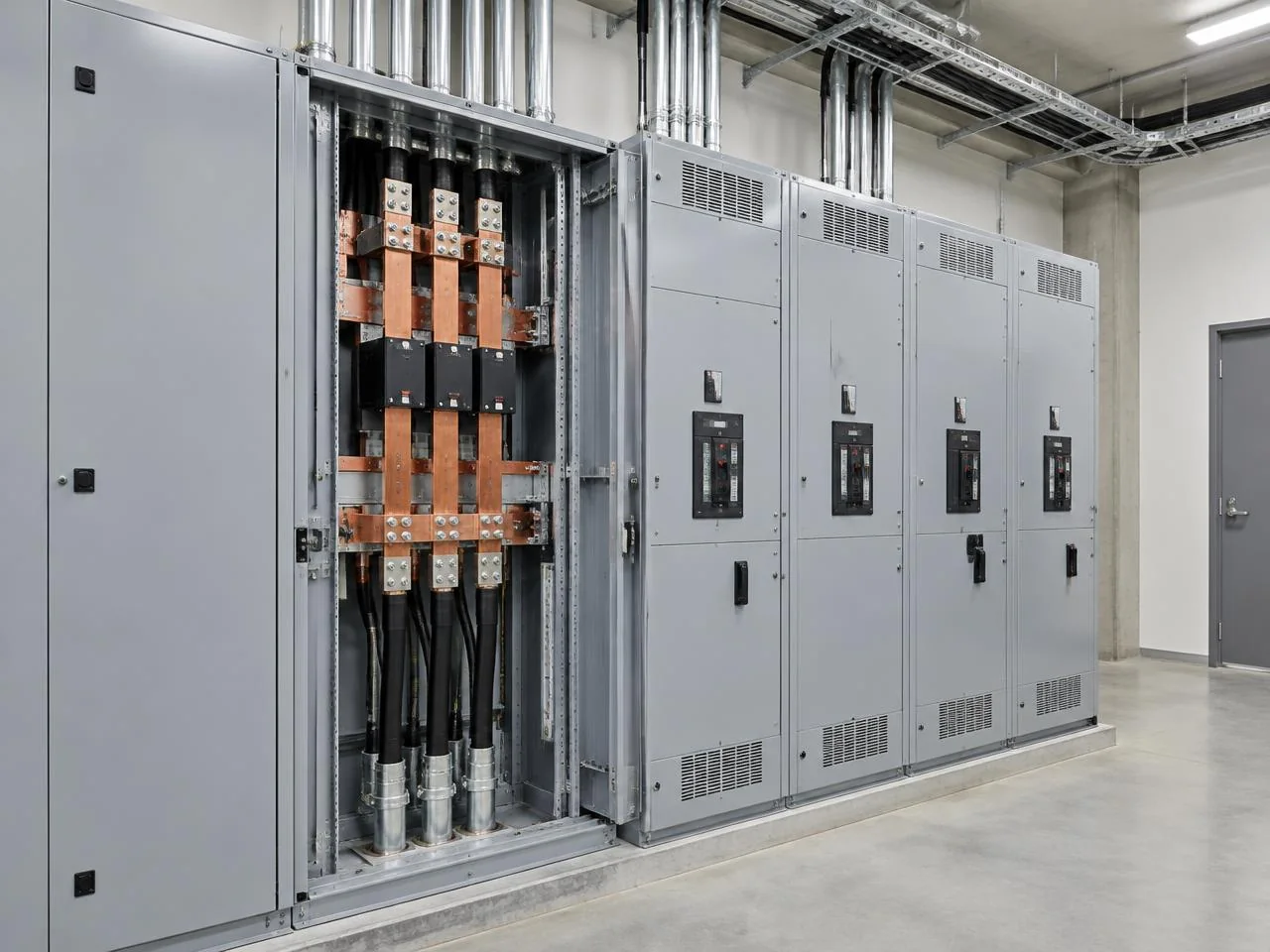
Distribution improvements can include new feeders, panelboards, transformers, and reorganization of circuits. The goal is a system that is reliable, maintainable, and documented clearly.
Distribution work often touches many areas of a building. Coordinate routing with structural, mechanical, and architectural work, and plan how each area will be affected. Electrical construction describes how Sahara Palms approaches installation and coordination.
Lighting System Modernization
Lighting upgrades commonly replace older fixtures with LED equipment and add controls such as occupancy sensors and daylight response. These changes can reduce energy use and maintenance, and they may be part of broader efficiency efforts promoted by the Department of Energy Federal Energy Management Program.
Lighting design should account for the tasks performed in each space, not only fixture counts. Confirm control strategies with facility users so the system supports how the building is actually used.
Coordinating Electrical Work In Occupied Facilities
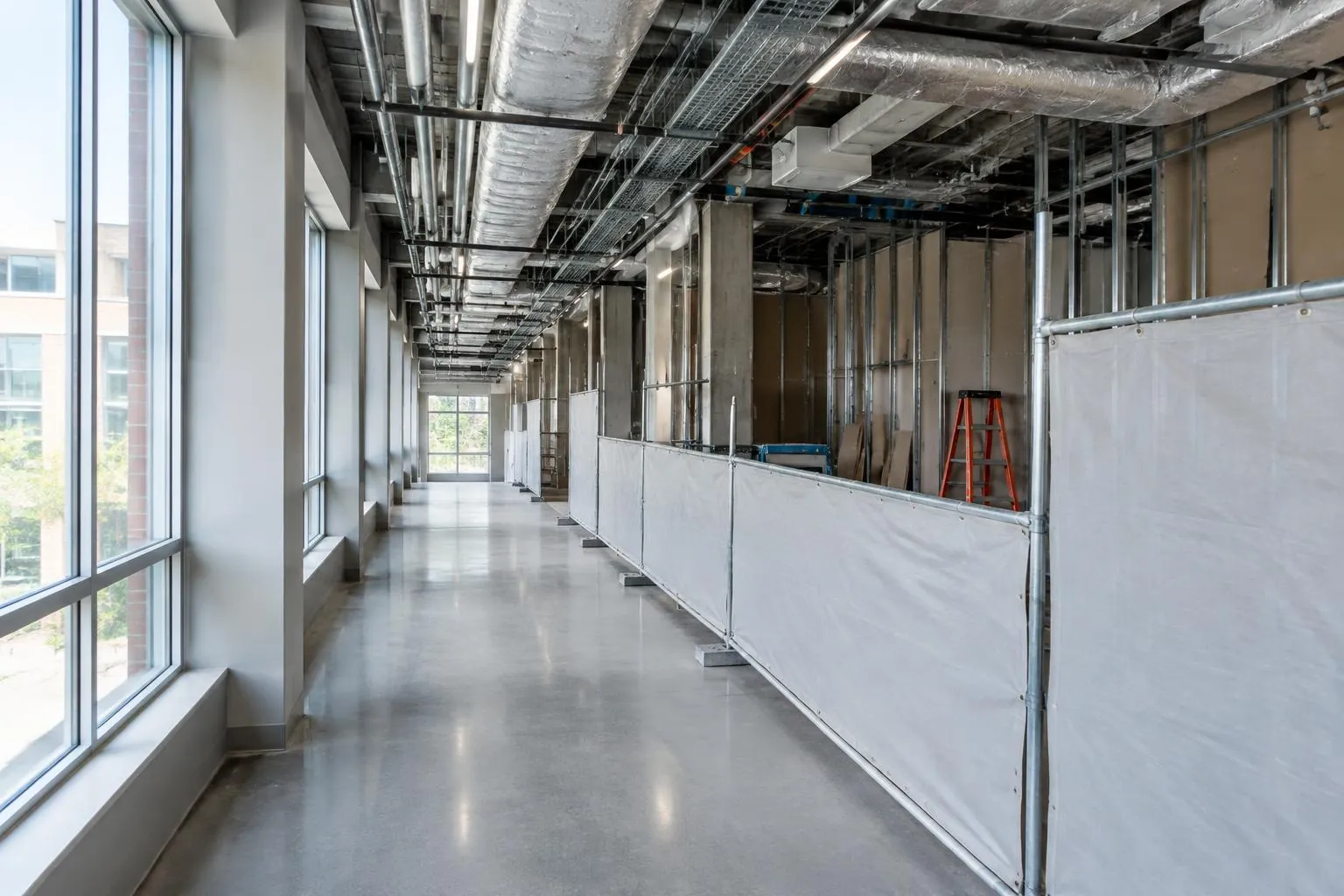
Most government electrical upgrades happen in buildings that stay in use. Shutdowns must be scheduled, communicated, and approved in advance, often outside normal hours. Temporary power may be needed to keep critical systems operating.
Plan each shutdown with a clear scope, duration, restoration sequence, and contingency. Coordinate with facility managers and occupants, and confirm the notice period the facility requires. The facility renovation planning guide covers related occupied-building considerations.
Safety & Applicable Electrical Requirements
Electrical work presents serious hazards. Work must be performed by appropriately qualified personnel following applicable safety standards, lockout procedures, and site requirements. Federal workplace safety rules and facility-specific procedures both apply.
Design and installation follow the codes and criteria adopted for the project, which the contract and agency standards identify. A general article cannot determine which requirements apply to a particular facility.
Testing & Project Turnover
New and modified electrical equipment is tested before energization and acceptance, as required by the specifications. Testing records, updated panel schedules, and record drawings become part of the turnover package.
Accurate documentation helps facility staff operate and maintain the system. The construction closeout guide explains how these records fit into project completion.
Electrical Modernization Planning Checklist
Use this checklist to organize early planning discussions with facility representatives and design professionals. Related pages describe federal construction, military construction, and commercial construction work.
- Project driver defined: condition, capacity, mission change, or efficiency
- Existing equipment and drawings field-verified
- Current and future load assessed by the responsible engineer
- Replacement priorities set by criticality and condition
- Long-lead equipment identified
- Distribution routing coordinated with other trades
- Shutdowns and temporary power planned with the facility
- Safety procedures and applicable requirements confirmed
- Testing and documentation requirements reviewed
Frequently Asked Questions
References & further reading
WBDG: Electrical EngineeringDOE Federal Energy Management ProgramDOE FEMP: Operations and Maintenance Best Practices GuideFAR Part 36: Construction and Architect-Engineer ContractsReferences are background material. Current solicitation documents, agency requirements, equipment guidance, and qualified professional advice govern the actual project.